


Beste Kühl-Gefrier-Kombination No Frost
Add a review FollowOverview
-
Founded Date September 28, 1908
-
Sectors Electrician
-
Posted Jobs 0
-
Viewed 4
Company Description
10 Mobile Apps That Are The Best For Installation Buy A Freezer
Installation Guide: Buying a Freezer for Optimal Storage
When it comes to household appliances, freezers are an important yet typically overlooked item. Whether you’re saving seasonal fruit and vegetables, bulk groceries, or meal prepped ingredients, having the best freezer can save both money and time. This post will dig into essential factors to consider when buying a freezer, installation tips, and regularly asked questions to help prospective purchasers make notified choices.
Kinds of Freezers
Before buying, it’s vital to comprehend the different kinds of freezers available on the market. Below is a table summarizing the key characteristics of each type:
| Type | Description | Pros | Cons |
|---|---|---|---|
| Chest Freezer | A large, horizontal freezer | Energy-efficient, large, better at holding cold air | Uses up floor space, can be harder to arrange |
| Upright Freezer | A vertical freezer with racks | Easy gain access to, organized design, smaller footprint | Less energy-efficient, usually more pricey |
| Portable Freezer | Compact units created for small areas or take a trip | Lightweight, easy to move, terrific for short trips | Minimal storage capability, typically less powerful |
Aspects to Consider When Buying a Freezer
When picking a freezer, factors to consider extend beyond just the type. Here’s a comprehensive list of aspects to bear in mind.
1. Capacity
- Size Requirements: Determine just how much space you have offered. Freezers can vary from compact designs (about 3 cubic feet) to larger systems (over 20 cubic feet).
- Storage Needs: Consider your common food storage habits. Households may need bigger freezers for bulk purchases, while people or couples might do just great with compact choices.
2. Energy Efficiency
- Energy Star Rating: Look for designs that meet Energy Star standards, which could lead to considerable cost savings on electrical energy bills over time.
- Approximated Costs: Check the maker’s approximated annual energy consumption. The higher the rating, the lower your foots might be.
3. Temperature level Control
- Adjustable Settings: Make sure the freezer has easily adjustable temperature level controls for ideal food preservation.
- Power Outage Recovery: Certain models have better insulation and can preserve temperature longer during failures.
4. Features
- Frost-Free Options: This function conserves time on manual defrosting and minimizes icicles, however tends to be more expensive.
- Interior Lighting: Built-in lighting can make it simpler to discover foods in larger systems.
5. Installation Requirements
- Space Considerations: It’s important to determine the area where the freezer will go– taking into consideration space for ventilation and door swing.
- Electrical Access: Ensure an ideal electric outlet is available nearby. Many freezers need a grounded outlet.
Installation Steps for Your New Freezer
When you’ve acquired the best freezer, appropriate installation is the next action. Below is a detailed guide to make sure a successful setup.
Action 1: Choose the Right Location
- Air Flow: Select a dry, cool area with sufficient airflow around the unit (ideally a number of inches from the wall).
- Level Ground: Verify that the surface is level to make sure effective operation.
Step 2: Prepare the Area
- Clean Up: Remove any particles or unneeded products from the chosen location.
- Inspect Power Supply: Ensure the outlet is working and is enough for the freezer’s electrical requirements.
Action 3: Unpack and Position
- Get rid of Packaging: Carefully unpack your freezer and ensure none of the internal product packaging remains inside.
- Positioning: Move the freezer into place and guarantee it stands level.
Step 4: Set Up and Test
- Plug It In: Connect the freezer to the power supply.
- Temperature level Settings: Adjust to the advised storage temperature (generally around -10 ° F to
- 0 ° F). Allow Time: Before filling the freezer, enable it to reach the optimum temperature (normally a few hours).
Step 5: Organize and Monitor
- Arrange Contents: Use bins or dividers to keep items arranged.
- Screen Temperature: Throughout the very first week, use a thermometer to examine that the temperature level remains consistent.
FAQs about Buying and Installing a Freezer
Q1: How do I pick the best size freezer for my home?
You’ll wish to consider storage needs based upon household size and typical grocery shopping practices. A general general rule is to permit about 1.5 cubic feet of freezer space per individual in the household.
Q2: How do I keep my freezer running effectively?
Keep the freezer at a consistent temperature, avoid overwhelming it, Online haushaltsgeräTe bestellen and regularly inspect for frost accumulation. It’s likewise essential to clean the condenser coils periodically.
Q3: What is the best temperature level to keep food in the freezer?
The perfect temperature level for long-term food storage is 0 ° F(-18 ° C). This will ensure food stays fresh and maintains its quality.
Q4: Can I put my freezer in the garage?
It depends. If your garage temperature can drop below 32 ° F (0 ° C) in the winter season, it’s not recommended to place a freezer there, as it might not run effectively.
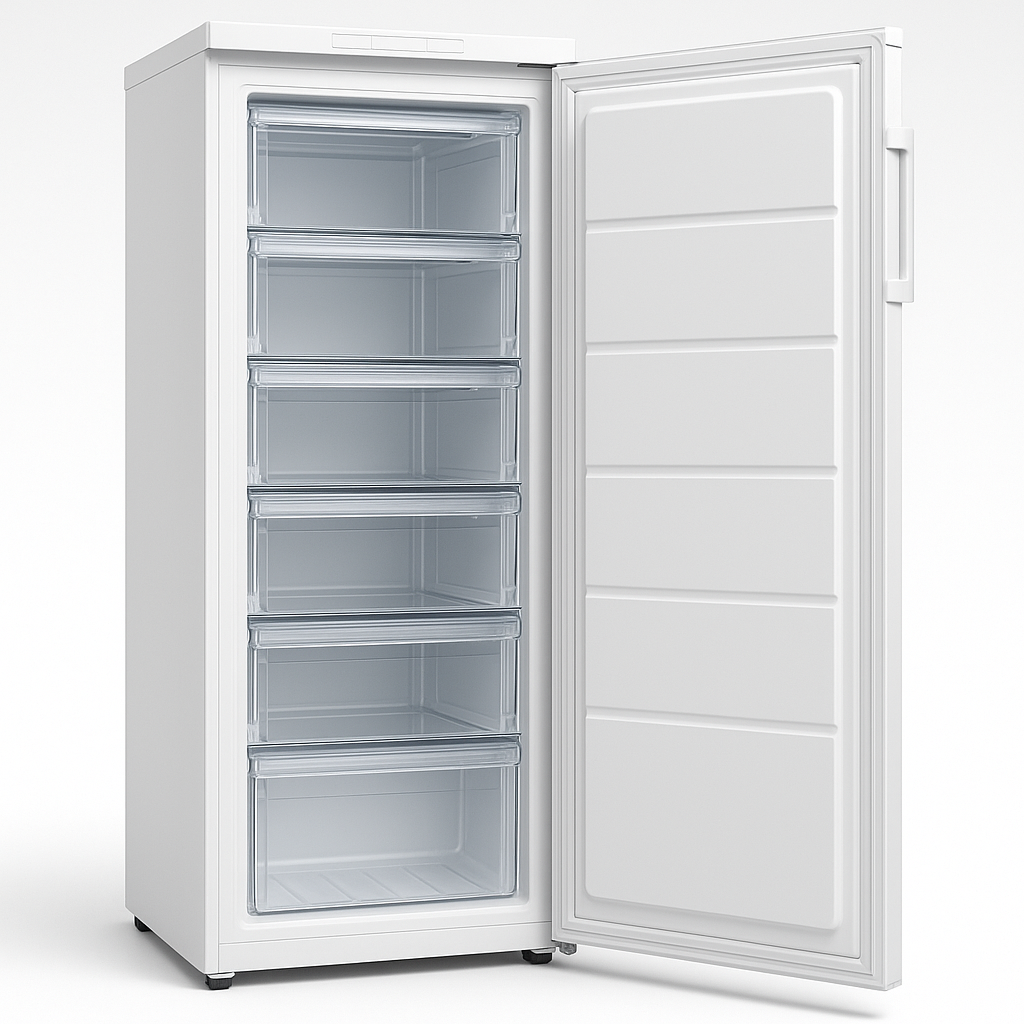
Purchasing a freezer is an investment that can considerably enhance your food storage abilities and conserve money and time in the long run. By considering the types readily available, understanding your particular needs, and following installation guidelines, you’ll be well on your way to making an informed purchase. Whether you select a chest, upright, or portable model, an excellent freezer will provide convenience for several years to come.
Make certain to revisit the abovementioned ideas and FAQs whenever you choose to buy your new home appliance to optimize its use and efficiency!