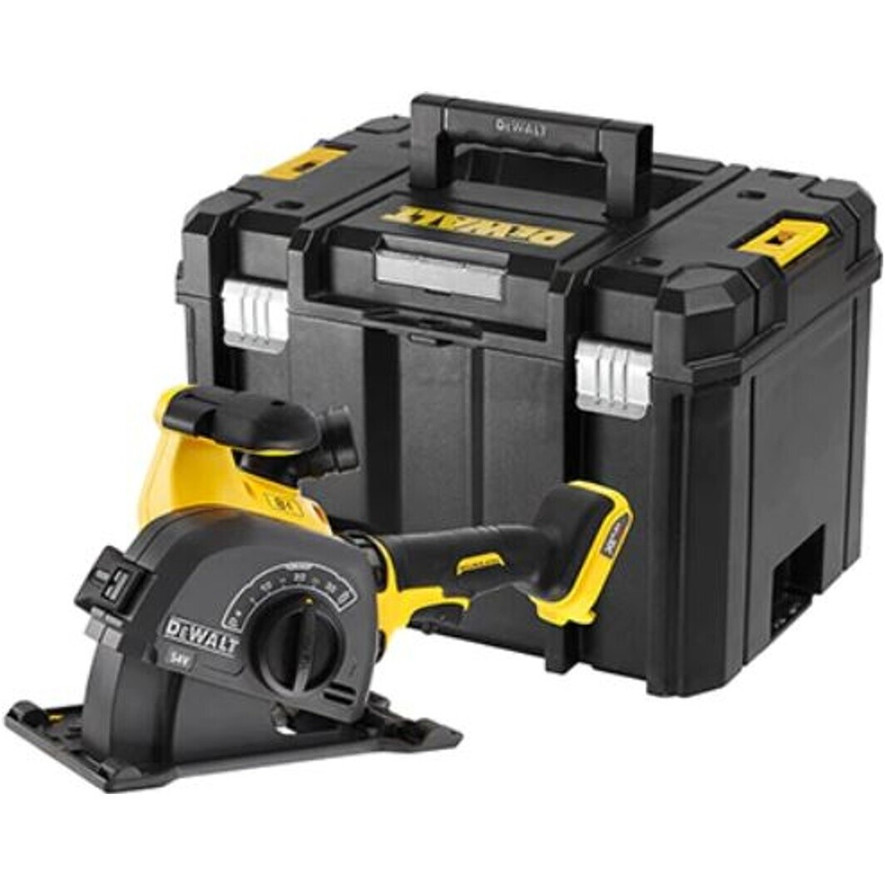
Fräsmaschinen Für Den Professionellen Einsatz Kaufen
Add a review FollowOverview
-
Founded Date March 17, 1912
-
Sectors Electrical Technician
-
Posted Jobs 0
-
Viewed 6
Company Description
Why Is There All This Fuss About Buy Milling Machines For Small Businesses?
Buy Milling Machines for Small Businesses: A Comprehensive Guide
Milling machines are essential tools in the production market, specifically for small businesses venturing into metalworking, woodworking, and other materials fabrication. Purchasing a milling machine can improve productivity, precision, and general product quality. This blog post intends to provide a thorough guide on getting milling machines customized for small companies, discussing their types, choice criteria, advantages, expenses, and frequently asked questions.
Comprehending Milling Machines
Milling machines are versatile machines used to form, cut, and surface materials like metals, plastics, and wood. They make use of rotary cutters to get rid of material from a workpiece, permitting complicated shapes and precise measurements.
Types of Milling Machines
There are several types of milling machines readily available, each serving different functions and markets. Below is a table summing up the main types:
| Type | Introduction | Ideal For |
|---|---|---|
| Horizontal Milling Machine | Features a horizontal spindle and is used for flat surface areas. | Heavy-duty operations, big workpieces. |
| Vertical Milling Machine | Defined by a vertical spindle and uses higher flexibility in operations. | Precision work, smaller parts, prototypes. |
| CNC Milling Machine | Operated by computerized controls for automated precision and effectiveness. | Complex style requirements, HorizontalfräSmaschinen high-volume production. |
| Benchtop Milling Machine | A compact and portable alternative, ideal for hobbyists and small business. | Small projects, DIY lovers. |
| Universal Milling Machine | Combines vertical and horizontal functions, adaptable for different jobs. | Versatile operations throughout various materials. |
| Turret Milling Machine | Deals precise control with a movable frame, generally suited for small to medium production. | Custom parts and models needing in-depth work. |
Factors to Consider When Buying a Milling Machine
1. Kind of Workpiece
Understanding the type of material being crushed is important. Businesses dealing with heavy metals may need a more robust machine like a horizontal milling machine, while those engaging in lighter products can benefit from a benchtop design.
2. Size and Space
Assess the available workspace. Bigger machines require more floor space, while smaller sized operations may choose compact machines.
3. Budget
Milling machines been available in different price ranges. Setting a budget will help limit choices without compromising quality.
4. Relieve of Use
Look for easy to use machines, especially if the operators do not have substantial experience. CNC machines, while advanced, can be more complex to run and may require training.
5. Upkeep Requirements
Identify the machine’s maintenance needs. Some designs may need frequent upkeep, affecting operational efficiency.
6. Brand and Supplier Reputation
Choose trustworthy brands known for reliability and customer service. Research study examines and feedback from other small companies.
7. Schedule of Parts and Service
Ensure that the equipment has easily available parts for replacements and accessible technical support for repair work.
Benefits of Investing in Milling Machines for Small Businesses
-
Increased Productivity
- Milling machines can run continuously, substantially reducing production times compared to manual methods.
-
Enhanced Precision
- CNC milling machines can accomplish exact dimensions and complicated geometries, making sure high-quality final product.
-
Expense Efficiency
- Owning milling machines can minimize outsourcing expenses for machining and fabrication services.
-
Versatility
- These machines can manage various tasks, making them ideal for different projects and industries.
-
Personalization
- Small companies can create special products tailored to customer needs, enhancing their market competitiveness.
Expense Analysis of Milling Machines
The expense of milling machines differs substantially based upon type, features, and capability. Below is an approximate expense contrast:
| Type of Milling Machine | Price Range (GBP) | Notes |
|---|---|---|
| Horizontal Milling Machine | ₤ 15,000 – ₤ 50,000 | Perfect for heavy-duty work. |
| Vertical Milling Machine | ₤ 3,000 – ₤ 30,000 | Versatile, suitable for a variety of projects. |
| CNC Milling Machine | ₤ 20,000 – ₤ 100,000+ | Automated, high precision for intricate work. |
| Benchtop Milling Machine | ₤ 1,000 – ₤ 5,000 | Best for hobbyists and small projects. |
| Universal Milling Machine | ₤ 10,000 – ₤ 40,000 | Combines features of both horizontal and vertical types. |
| Turret Milling Machine | ₤ 10,000 – ₤ 45,000 | Great for custom parts and prototypes. |
Frequently Asked Questions (FAQ)
1. What size milling machine is best for my small company?
The size of the milling machine depends upon the readily available office, the type of products processed, and the scale of operations. Measure your work space to discover an ideal machine.
2. Should I buy a new or used milling machine?
Both options have benefits. New machines use guarantees and the most recent technology, while used machines can be more affordable however may need more maintenance.
3. How do I maintain a milling machine?
Regularly tidy the machine, look for wear and tear, and follow the manufacturer’s upkeep standards, consisting of lubrication and calibration.
4. Can a milling machine be used for other products?
Yes, milling machines can deal with metals, plastics, wood, and more, but specific machines are enhanced for different materials.
5. What is the discovering curve for CNC milling machines?
CNC machines typically have a steeper knowing curve due to their computerized controls. Training is advised for operators new to this technology.
Purchasing a milling machine can considerably affect the performance and success of a small company. By understanding the various types, aspects influencing the purchase choice, and the advantages that include owning a milling machine, small business owners can make educated decisions. With extensive research study and preparation, they can choose the ideal type of milling machine that lines up with their functional objectives and future development. As technology advances, getting the ideal milling machine can place a small organization for success in today’s competitive manufacturing landscape.