


Registrierten Führerschein Online Kaufen
Add a review FollowOverview
-
Founded Date June 26, 1968
-
Sectors Mechanic
-
Posted Jobs 0
-
Viewed 2
Company Description
15 Up-And-Coming Buy A Driving License Legally Bloggers You Need To Follow

Navigating the Process: How to Legally Obtain a Driving License in Germany
Germany, understood for its efficient public transport and expansive network of Autobahns, uses both residents and visitors the chance to explore the nation by car. Nevertheless, acquiring a driving license in Germany can be a complex and often difficult procedure, specifically for those not familiar with the German governmental system. For people seeking to drive lawfully and securely in Germany, understanding the requirements, procedures, and subtleties of the licensing procedure is necessary. This post supplies a thorough guide to legally getting a driving license in Germany, including key actions, regularly asked questions, and useful suggestions.
Comprehending the German Driving License System
In Germany, the driving license system is governed by the Fahrerlaubnisgesetz (Driver’s License Act) and administered by the Fahrerlaubnisbehörde (Driver’s License Authority), which becomes part of the city government. There are numerous types of driving licenses in Germany, each representing various categories of automobiles. The most typical license types are:
- Class B: This license permits you to drive cars and trucks and bikes with approximately 125 cc.
- Class A1, A2, and A: These licenses are for various classes of bikes.
- Class C and C1: These are for heavy products automobiles.
- Class D and D1: These are for buses and other big guest lorries.
Steps to Obtain a German Driving License
-
Determine Your Eligibility
- EU/EEA Residents: If you are a resident of the European Union (EU) or the European Economic Area (EEA), you can generally utilize your existing driving license for approximately 6 months after moving to Germany. After this duration, you might require to exchange your license for a German one, depending on the country of concern.
- Non-EU/EEA Residents: If you are from a country outside the Eu FüHrerschein Kaufen/EEA, you can utilize your worldwide driving permit (IDP) together with your legitimate driving license for a restricted time. After this duration, you will need to go through the complete licensing procedure or exchange your license if your country has a reciprocal arrangement with Germany.
-
Exchange Your Foreign License (if relevant)
- Countries with Reciprocal Agreements: Some nations, such as the United States, have arrangements with Germany that permit the exchange of driving licenses. To exchange your license, you will need:
- A legitimate driving license from your home nation.
- A global driving license (IDP).
- Evidence of residency in Germany (e.g., a Meldebestätigung or registration certificate).
- A completed application from the Fahrerlaubnisbehörde.
- A charge, which differs by state.
- Nations without Reciprocal Agreements: If your nation does not have a mutual arrangement, you will require to go through the complete licensing procedure, that includes theoretical and useful tests.
- Countries with Reciprocal Agreements: Some nations, such as the United States, have arrangements with Germany that permit the exchange of driving licenses. To exchange your license, you will need:
-
Take a Medical Examination
- All candidates for a German driving license must undergo a medical assessment to ensure they meet the health requirements for driving. This assessment is generally carried out by a Fahrzeuguntersuchungsstelle (vehicle examination station) or a designated medical professional. The examination consists of checks on vision, hearing, and fitness.
-
Total the Theoretical Test
- The theoretical test, or Theorietest, includes multiple-choice concerns on traffic guidelines, road signs, and safe driving practices. The test is readily available in several languages, including English, and can be taken at a Theorieprüfungszentrum (theory test center).
- Preparation for the test is important. You can utilize study materials such as practice tests and books to acquaint yourself with the material. Lots of driving schools offer courses to assist you prepare.
-
Take Driving Lessons (if required)
- If you are going through the complete licensing procedure, you will need to finish a defined number of driving lessons with a qualified Fahrschule (driving school). The variety of lessons required can differ depending upon your experience and the type of license you are requesting.
- Throughout these lessons, you will find out the practical aspects of driving in Germany, consisting of regional traffic laws and road conditions.
-
Complete the Practical Test
- The useful test, or Praktikum, is carried out by a Fahrschulelehrer (driving trainer) and usually lasts about 45 minutes. The test consists of:
- A pre-test inspection of the vehicle.
- Driving in different traffic conditions, consisting of metropolitan and rural locations.
- Maneuvering tasks such as parallel parking and hill starts.
- You should show your capability to drive safely and follow traffic rules. If you fail the test, you can retake it after a specific duration.
- The useful test, or Praktikum, is carried out by a Fahrschulelehrer (driving trainer) and usually lasts about 45 minutes. The test consists of:
-
Go To a First Aid Course
- Before you can get your German driving license, you should complete an emergency treatment course, referred to as Verkehrsrettungsdienst (traffic rescue service). This course teaches you fundamental very first aid skills and how to respond in emergency scenarios on the roadway.
-
Get Your Driving License
- As soon as you have passed all the required tests and completed the essential courses, you will receive your German driving license. The license is generally released by the Fahrerlaubnisbehörde and stands for a particular period, after which you may need to restore it.
Often Asked Questions (FAQs)
Q: Can I drive in Germany with a foreign driving license?
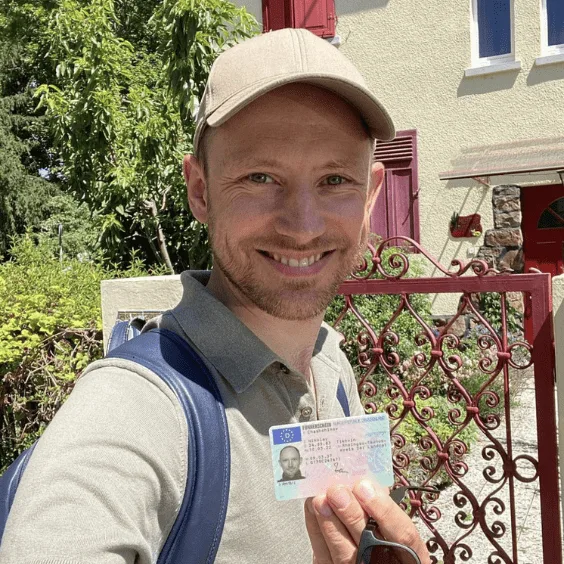
- A: Yes, if you are a visitor, you can drive in Germany with an international driving permit (IDP) and your valid driving license for a limited time. If you are a citizen, you can use your foreign license for approximately 6 months, after which you might require to exchange it or go through the complete licensing procedure.
Q: How do I exchange my foreign driving license for a German one?
- A: If your nation has a mutual agreement with Germany, you can exchange your license by offering a valid foreign license, an IDP, evidence of residency, and a finished application. The process may vary by state, so it is a good idea to talk to your local Fahrerlaubnisbehörde.
Q: What is the minimum age to obtain a driving license in Germany?
- A: The minimum age to get a Class B driving license in Germany is 18 years. For motorbikes, the minimum age varies depending on the class of the motorcycle.
Q: Do I need to take a medical evaluation to get a German driving license?
- A: Yes, all applicants should go through a medical evaluation to guarantee they fulfill the health requirements for driving. The evaluation consists of checks on vision, hearing, and fitness.
Q: How lots of driving lessons are needed?
- A: The number of driving lessons required differs depending on your experience and the type of license you are requesting. Normally, a minimum of 12 to 15 lessons is required for a Class B license. This number can increase if you have no prior driving experience.
Q: What is the expense of obtaining a German driving license?
- A: The cost of obtaining a German driving license can differ. It includes fees for the medical evaluation, theoretical test, dry run, driving lessons, and the emergency treatment course. The total expense can vary from EUR500 to EUR1,000, depending upon your state and the driving school you choose.
Q: Can I take the theoretical test in a language other than German?
- A: Yes, the theoretical test is readily available in several languages, including English. You can choose the language in which you wish to take the test when you sign up for it.
Q: What takes place if I fail the practical test?
- A: If you stop working the dry run, you can retake it after a particular duration, which is usually a few weeks. You might need to take additional driving lessons to improve your abilities before retaking the test.
Tips for a Smooth Process
- Start Early: The process of getting a German driving license can be prolonged, specifically if you need to finish the complete licensing procedure. Start early to avoid any hold-ups.
- Pick a Reputable Driving School: Select a driving school with a great credibility and skilled trainers. This can substantially improve your opportunities of passing the tests.
- Practice Regularly: Regular practice is necessary, specifically if you are new to driving in Germany. Acquaint yourself with the regional traffic rules and roadway conditions.
- Stay Informed: Regulations and requirements can alter, so remain informed by examining the official sites of the Fahrerlaubnisbehörde and the Verkehrsministerium (Ministry of Transport).
- Prepare Thoroughly for the Tests: Use study materials and practice tests to prepare for the theoretical test. For the useful test, ensure you are positive in your driving skills and acquainted with the test route.
Obtaining a driving license in Germany is a structured and extensive process created to guarantee that all drivers are well-prepared and capable of running a vehicle securely on German roadways. Whether you are a new homeowner or a visitor, understanding the steps and requirements is essential for a smooth and effective experience. By following the described procedures, preparing thoroughly, and looking for professional guidance, you can navigate the process and delight in the freedom and benefit of driving in Germany.
For those who are devoted to the process, the benefits are considerable. A German driving license not just enables you to drive within Germany however is likewise recognized in lots of other nations, offering you with the flexibility to explore beyond Germany’s borders. Safe travels!