


Polskie Przepisy Ruchu Drogowego
Add a review FollowOverview
-
Founded Date August 26, 1958
-
Sectors Fitter
-
Posted Jobs 0
-
Viewed 3
Company Description
The Top Reasons People Succeed On The Polish Driving License Document Industry
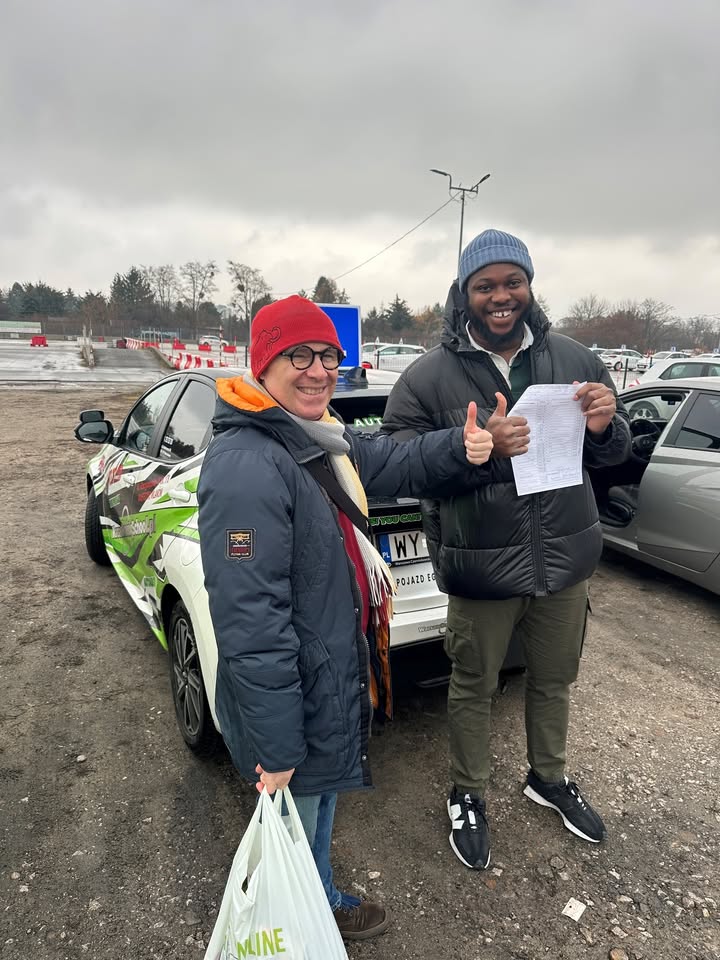
The Polish Driving License: A Comprehensive Guide
Acquiring a driving license is a substantial milestone in one’s life. For lots of, it represents independence, freedom, and the capability to explore the open road. In Poland, having a legitimate driving license is necessary not only for individual transportation but also for navigating the intricacies of a progressively interconnected Europe. This post looks into the various aspects of the Polish driving license, using insights into its types, application process, and essential regulations.
Types of Polish Driving Licenses
Poland concerns a number of kinds of driving licenses, categorized based upon vehicle classifications. The following table sums up the primary types of licenses:
| License Category | Description | Age Requirement |
|---|---|---|
| A | Motorbikes with engine capacity over 125cc | 24 years |
| A1 | Motorbikes with engine capacity approximately 125cc | 16 years |
| B | Guest vehicles up to 3.5 lots; vans with approximately 9 seats | 18 years |
| C | Trucks over 3.5 tons | 21 years |
| D | Buses with more than 9 seats | 24 years |
| T | Tractors and farming cars | 16 years |
Crucial Points to Note
- Classifications A and B are the most frequently demanded by drivers in Poland.
- Each category has its particular requirements for theoretical and useful evaluations.
- Prospects need to first pass the theory part before they can proceed to useful tests.
Application Process for a Polish Driving License
The process of getting a Polish driving license consists of several essential actions. Here is a detailed summary of the treatment:
Step-by-Step Process
-
Eligibility Confirmation
- Candidates must meet the minimum age requirement for the desired car category.
- A fundamental health evaluation is usually required.
-
Enroll in a Driving School
- After eligibility is validated, candidates must register in an accredited driving school.
- The school will provide needed instruction in both theoretical knowledge and useful driving skills.
-
Theoretical Examination
- Following the conclusion of the driving course, prospects must take a theoretical exam.
- This test covers rules of the roadway, car operation, and safe driving practices.
-
Practical Examination
- Upon effectively passing the theoretical examination, candidates can set up a useful driving test.
- The useful test assesses the motorist’s ability to run an automobile securely and properly.
-
Application Submission
- After passing both exams, candidates require to send an application for the driving license at the regional workplace.
- Required documents often include a medical certificate, examination certificates, and identification.
-
Payment of Fees
- The application process requires payment of pertinent fees, which can differ based upon the category of the license.
-
License Issuance
- Following successful conclusion of all actions, the driving license is released.
- The license is typically valid for 15 years, after which a renewal process must be carried out.
Document Requirements for Application
The following table notes the necessary documents usually required for the Polish driving license application:
| Document Type | Description |
|---|---|
| Recognition | Legitimate nationwide ID card or passport |
| Medical Certificate | A document from a certified doctor confirming fitness to drive |
| Proof of Residency | Document revealing present address (utility expense, lease) |
| Driving School Certificate | A certificate from a driving school confirming course conclusion |
| Assessment Certificates | Proof of passed theoretical and useful assessments |
Regulations Surrounding the Polish Driving License
Comprehending the regulations that govern making use of a driving license in Poland is crucial for all drivers. The following list describes the crucial regulations:
Key Regulations
- Seat belts: All guests should wear seat belts, with stringent penalties for non-compliance.
- Alcohol Limit: The legal blood alcohol concentration (BAC) limitation for drivers is 0.2 ‰, and more stringent limits get newbie drivers.
- Smart Phone Usage: Using a cellphone without hands-free technology while driving is prohibited.
- Speed Limits: Adherence to speed limits is carefully imposed, with heavy fines for offenses.
- Driver Points System: Poland runs a points system, where drivers can accumulate points for traffic violations. Building up too many points can lead to the loss of driving benefits.
FAQs about the Polish Driving License
1. How long does it require to obtain a Polish driving license?
The timeline differs but generally takes anywhere from a couple of months to over a year, depending on scheduling and personal speed.
2. Can foreigners obtain a Polish driving license?
Yes, foreigners with legal residency status can look for a Polish driving license, supplied they satisfy all essential requirements.
3. What if I have a driving license released in another country?
Holders of a foreign driving license can drive in Poland for as much as 6 months. To drive longer, they must look for a Polish driving license.
4. What should I do if I lose my driving license?
In case of loss, Dokumenty Polskiego Prawa Jazdy drivers need to report it to the local authorities and apply for a replacement at the proper local workplace.
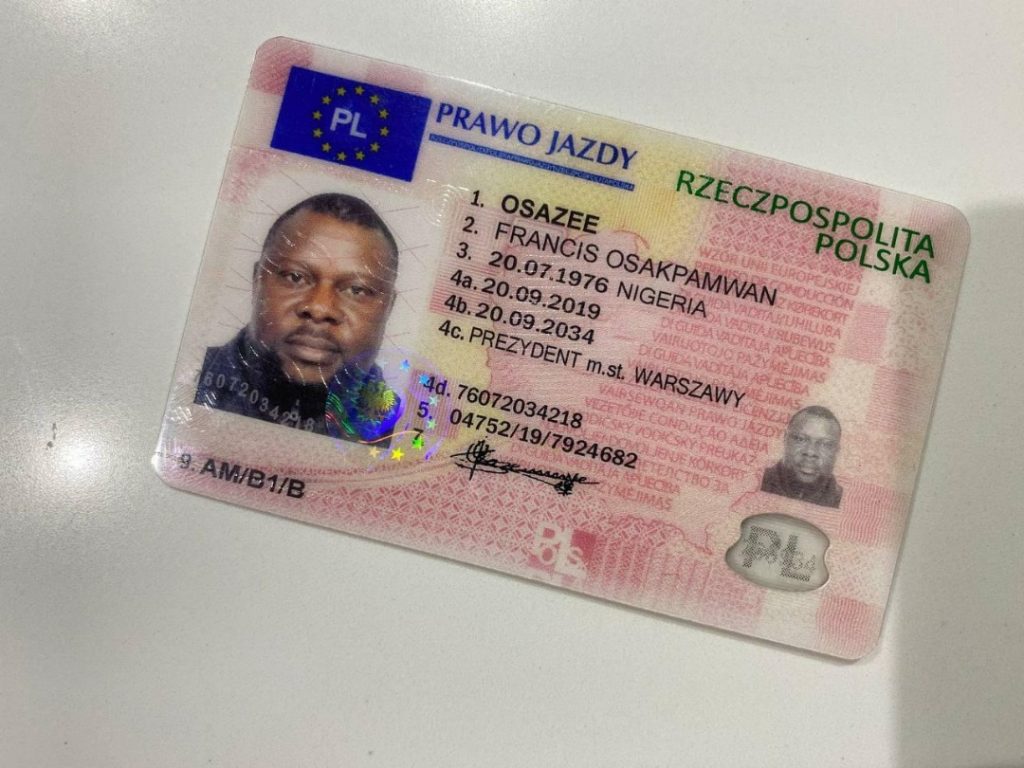
5. Exists an age limitation for getting a chauffeur’s license?
Yes, each category has a specified minimum age requirement, ranging from 16 to 24 years depending on the vehicle type.
Navigating the world of driving licenses in Poland can be a complex process, however understanding the various types, application treatments, and regulations can make it workable. Whether you’re a Polish citizen or a foreign national, knowing how to effectively obtain and maintain a driving license is essential in this main European nation. Accepting these steps will allow responsible drivers to delight in the liberty of the roadway while ensuring security for themselves and others.