


Hobelmaschinen Online Kaufen
Add a review FollowOverview
-
Founded Date February 17, 1981
-
Sectors Electrical Forman
-
Posted Jobs 0
-
Viewed 2
Company Description
What’s The Current Job Market For Manual Planing Machines Professionals?
Understanding Manual Planing Machines: A Comprehensive Guide
In the world of woodworking, precision is important. Whether you’re crafting furniture, cabinetry, or detailed designs, the smoothness of the wood surface directly impacts the quality of the ended up product. Among the basic machines for attaining this smoothness is the manual planing maker, frequently described merely as a planer. In this post, we will explore what manual planing machines are, their types, features, and key benefits, Planing machines models in addition to a useful contrast table and responses to regularly asked concerns.
What is a Manual Planing Machine?
A manual planing device is a tool utilized in woodworking to decrease the density of wood and produce a smooth surface. Unlike automated planers, which are powered by electrical power, manual planers rely on the physical force used by the operator. While these machines may require more effort, they offer a number of advantages, consisting of much better control and lower operating expense.
Kinds Of Manual Planing Machines
Manual planing machines can be categorized into several types, each serving a various function and suited for different wood densities and types.
| Type | Description | Best For |
|---|---|---|
| Hand Plane | A timeless tool, normally made from wood with a blade that shaves off wooden layers. | Little woodworking projects |
| Surface area Planer | A larger maker, likewise hand-operated, that can manage broader boards. | Larger pieces of wood, flattening |
| Block Plane | Compact and simple to manage, developed for cutting and fitting work. | Precision trimming |
| Biscuit Joiner | While not a traditional planer, it cuts slots for joining two pieces of wood together. | Joinery work |
Secret Features of Manual Planing Machines
When picking a manual planing maker, there are a couple of key features to think about that impact efficiency, functionality, and sturdiness.
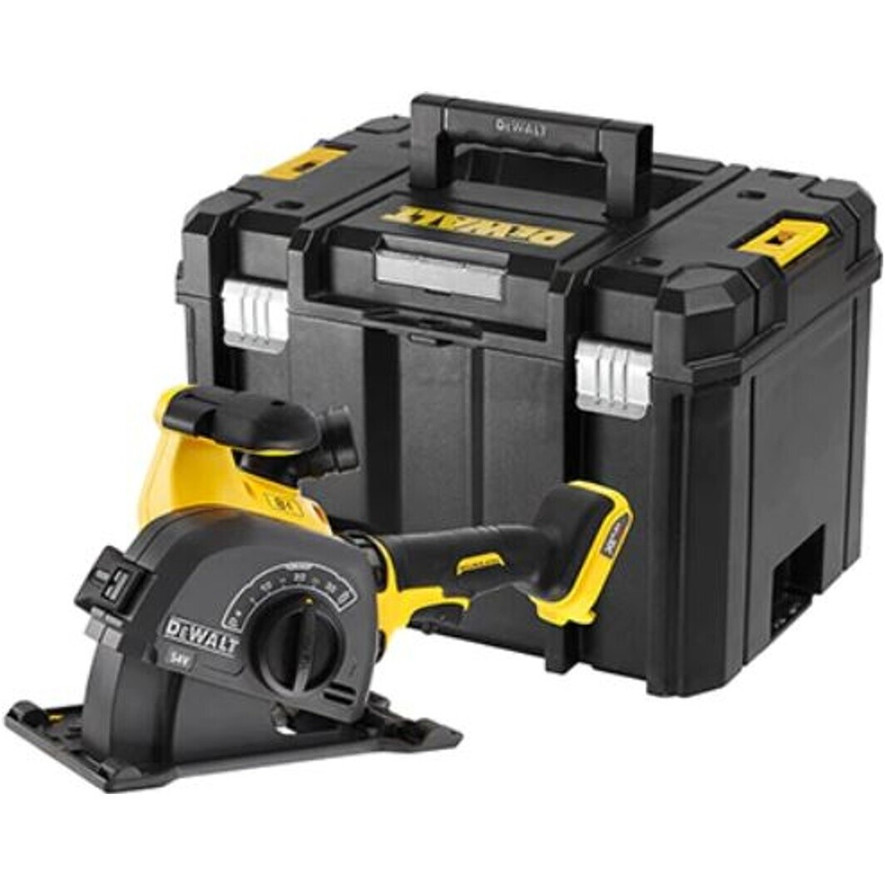
1. Blade Quality and Material
- The blades are vital for ensuring a tidy cut. High-carbon steel blades offer excellent sharpness and toughness, however high-speed steel (HSS) blades can use better durability.
2. Adjustable Depth Settings
- The ability to change the cutting depth enables for higher control over the quantity of wood removed, which is necessary for accomplishing a smooth surface.
3. Ergonomic Design
- A well-designed deal with and body add to comfortable use, especially for longer projects, assisting to minimize fatigue.
4. Base Material
- A flat and steady base, frequently made of cast iron or high-quality composites, ensures precision and decreases vibrations throughout operation.
Advantages of Using Manual Planing Machines
1. Cost-efficient
- Manual planers are usually more affordable than their electric counterparts, Günstige Hobelmaschinen making them an excellent choice for hobbyists and little woodshops.
2. Portability
- These machines are light-weight and easy to move, making them perfect for job-site work or for those with restricted office.
3. Control and Precision
- Manual planing permits a nuanced technique to woodworking, allowing artisans to feel the product much better and control the depth of cut more exactly.
4. No Dependency on Power
- Given that they don’t need electricity, manual planers appropriate for use in remote locations or when power supply concerns occur.
5. Greater Engagement with the Craft
- By using manual tools, woodworkers often feel more linked to their craft, enabling for a meditative and focused work experience.
Frequently Asked Questions (FAQ)
Q1: How do I select the ideal manual aircraft for my projects?
Pick a model based upon the size and intricacy of your projects. If working mostly on small pieces, a hand airplane or block aircraft might be adequate. For bigger projects, consider a surface planer.
Q2: How typically do I need to sharpen the blades?
This depends upon the frequency of usage and the kind of wood being dealt with. Typically, it’s recommended to sharpen the blades after every heavy use or when you observe a decline in cutting effectiveness.
Q3: Can I use a manual plane on wood?
Yes, manual planers can be utilized on woods, however make sure that the blades are sharp sufficient to handle the density of the material without causing damage.
Q4: Are there security factors to consider I should keep in mind?
Constantly ensure to use appropriate hand strategies, maintain a tidy working location, and make sure that the blade is properly set to reduce dangers of injury.
Q5: How can I maintain my manual planing device?
Keep the blade sharp, tidy the body of the airplane regularly, Hobelmaschinen FüR Heimwerker and store it in a dry location to prevent rusting. Periodically inspect the components for wear and replace as needed.
Manual planing machines play a vital role in woodworking, offering craftsmens the opportunity to achieve precision and control in their projects. With various types offered, knowing the features and benefits makes it possible for woodworkers to choose the best tool for their specific requirements. As innovation continually advances, conventional approaches like manual planing retain their significance, showcasing the long-lasting value of craftsmanship. Whether you are a seasoned professional or simply beginning, integrating a manual planing device into your toolkit can elevate your woodworking skills and enhance your innovative experience.