


Hobelmaschinen Zum Besten Preis
Add a review FollowOverview
-
Founded Date April 16, 2024
-
Sectors Mechanical Technician
-
Posted Jobs 0
-
Viewed 2
Company Description
15 Of The Best Twitter Accounts To Learn More About Planing Machines For Carpentry
Planning Machines for Carpentry: Enhancing Precision and Efficiency
Carpentry is an art that integrates craftsmanship with technology. Among the most fundamental tools in this field is the preparation machine. By ensuring exact dimensions and flat surface areas, these machines play a crucial function in high-quality woodworking. In this post, we will check out the various types of preparing machines, their functions, and FAQs to help carpenters select the ideal devices for their needs.
What is a Planning Machine?
A planning machine, commonly called a planer, is a woodworking device utilized to produce flat and smooth surfaces on lumber and other materials. It operates by removing thin shavings from the wood to attain the desired thickness and finish. The outcome is a board that not just looks better however likewise fits more effortlessly into assembled projects.
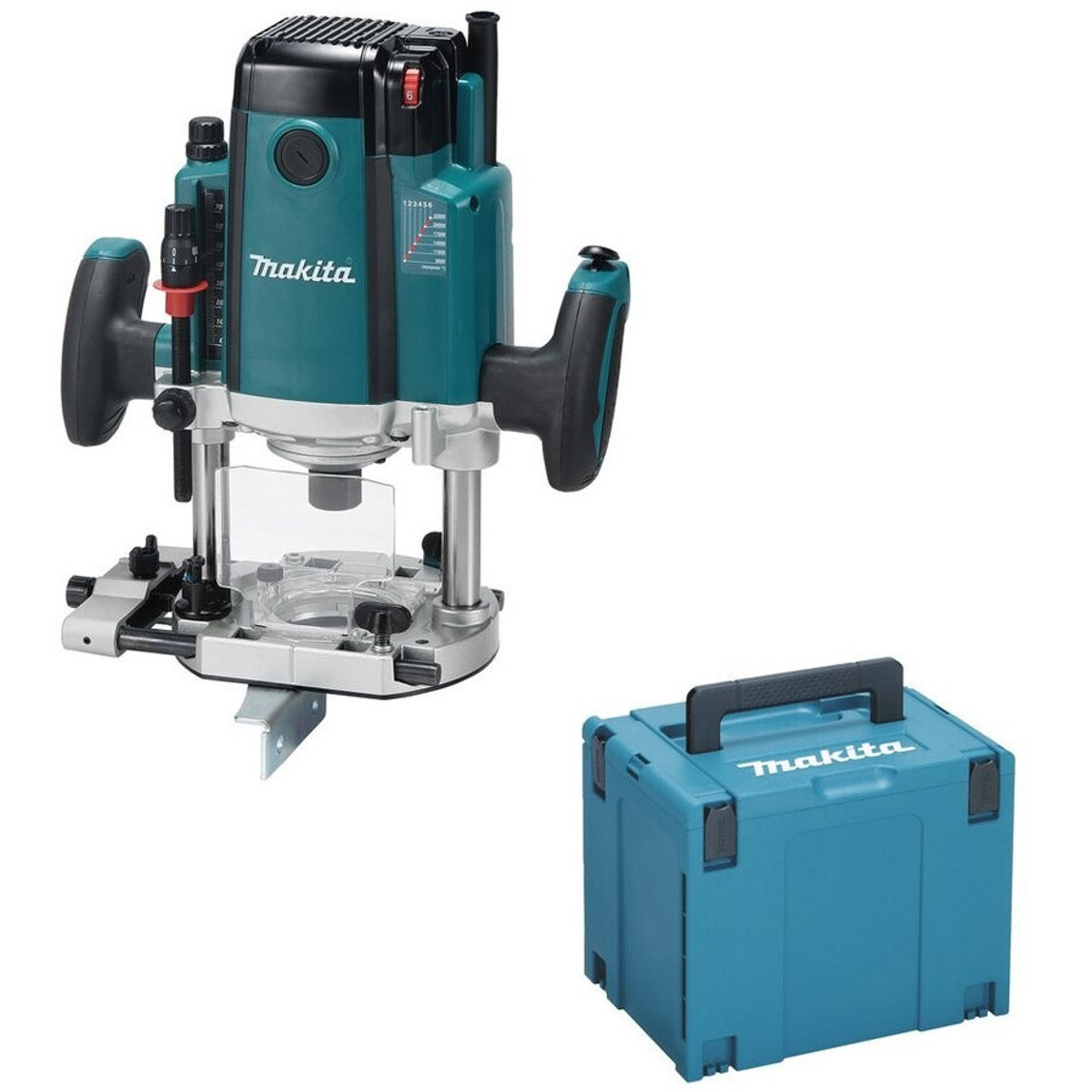
Kinds Of Planning Machines
Planning machines can be found in different shapes and sizes, each matched for specific jobs in carpentry. Below is a list of the most typical types:
| Type | Description | Normal Uses |
|---|---|---|
| Thickness Planer | A device that shaves wood to an uniform thickness on both sides. | Smoothing rough lumber for harmony. |
| Surface area Planer | This maker flattens one face of the board and can likewise take off a bit of thickness. | Preparing wood for more processing. |
| Hand Planer | A portable manual tool that can smooth and level surfaces in little projects. | Detailed work and touch-ups. |
| Portable Planers | Electric handheld planers that are lightweight and simple to maneuver. | Little projects and on-site work. |
| CNC Planers | Computer-controlled machines for precision cutting with automated procedures. | Big scale manufacturing and customized woodworking. |
Functions to Consider When Choosing a Planning Machine
When choosing a planning machine, it is vital to think about the following functions:
- Power: The horsepower (HP) score usually indicates how successfully a planer can deal with tough materials. A greater HP might be necessary for larger projects or denser woods.
- Width Capacity: The optimum width of the wood that can be fed through the maker is crucial, especially for larger workpieces.
- Cutting Speed: Measured in inches per minute (IPM), a greater cutting speed can cause improved efficiency but may need more powerful motors.
- Dust Collection: Effective dust collection systems assist maintain a tidy office and enhance visibility and security.
- Table Size: Hobelmaschinen FüR Hobelmaschinen FüR Hobbybastler A larger table can supply more assistance for Hobelmaschinen bigger workpieces, decreasing the likelihood of problems during preparation.
Pros and Cons of Using Planning Machines
| Pros | Cons |
|---|---|
| Faster and more effective than manual techniques. | Initial financial investment costs can be high. |
| Supplies a consistent finish and dimension. | Maintenance and parts can be expensive. |
| Lowers physical labor and strain on the carpenter. | Needs power source, restricting portability. |
| Enhances precision, particularly in mass production. | Noise levels can be considerable. |
Regularly Asked Questions about Planning Machines
1. What kind of planning maker is best for novices?
For beginners, a handheld planer or a small thickness planer is frequently perfect. They are simpler to utilize and navigate, Hobelmaschinen-Lieferung providing an excellent intro to the principles of wood preparation.
2. Can I utilize a planning maker on wood?
Yes, preparing machines can be used on hardwood. Nevertheless, make sure the machine has adequate power, and Hobelmaschinen In Meiner Nähe FüR Heimwerker (Pandora.Nla.Gov.Au) make sure to make several shallow passes to avoid overwhelming the blades.
3. How do I maintain my preparation device?
Regular maintenance consists of cleaning the machine after usage, examining and sharpening blades, and lubing any moving parts. Additionally, constantly describe the maker’s manual for particular standards.
4. Is it needed to have a dust collection system?
While it is not strictly required, a quality dust collection system is extremely advised as it assists keep a cleaner workspace and can improve the performance of the device.
5. Can I utilize a thickness planer for jointing?
While density planers can produce flat surfaces, they are not designed for jointing. Utilize a surface area planer or jointer for making sure one face or edge of the wood is perfectly flat before thicknessing.
Selecting the right planning maker can significantly influence the quality of operate in carpentry. By understanding the various types, functions, benefits and drawbacks, and useful aspects such as upkeep and use, carpenters can make educated decisions. Whether one is a novice or a skilled woodworker, purchasing the right tools will cause more efficient workflows and exceptional workmanship in woodworking projects. Having appropriate equipment guarantees that each board is draped in precision, enabling the woodworker to concentrate on the art of carpentry.
Whether you are sculpting out a brand-new work of art or tackling a simple home repair work, the preparation maker must be a staple of any woodworker’s toolkit. Pleased woodworking!