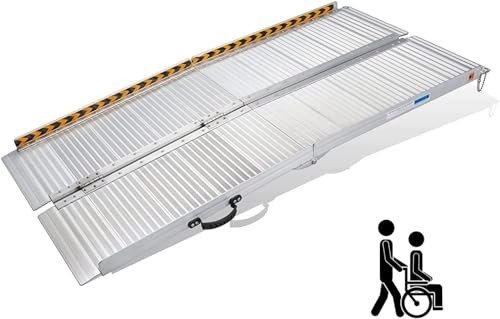
Aluminum Wheelchair Ramps For Homes
Add a review FollowOverview
-
Founded Date October 24, 1941
-
Sectors Maintenance Manager
-
Posted Jobs 0
-
Viewed 4
Company Description
Guide To Ramps For Mobility Scooters: The Intermediate Guide To Ramps For Mobility Scooters
Ramps for Mobility Scooters: A Comprehensive Guide
Mobility scooters have actually become invaluable tools for people with mobility difficulties, providing a sense of self-reliance and liberty to browse numerous surfaces. Nevertheless, for these scooters to be completely functional in daily life, using ramps is typically essential. In this article, we will explore different types of ramps, their advantages, elements to think about when selecting the ideal ramp, and answer some often asked questions.
Comprehending Ramps for Mobility Scooters
Ramps are inclined surface areas that enable mobility scooters to conquer obstacles such as curbs, steps, and limits, making it simpler and much safer for users to access buildings, automobiles, and outdoor locations. By providing a gentle slope, ramps decrease the danger of mishaps and increase accessibility for individuals using mobility scooters.
Kinds of Ramps
There are several kinds of ramps readily available on the marketplace, and each type serves different needs. Below is a table that details the numerous types of Ramps For Mobility Scooters (Https://bestbizportal.com/):
| Type of Ramp | Description | Ideal Use |
|---|---|---|
| Foldable Ramps | Lightweight and Portable Ramp ramps that can be folded for simple storage. | Home use, travel, and occasions |
| Stationary Ramps | Irreversible ramps made from durable materials. | Accessing buildings or homes |
| Folding Wheelchair Ramp Ramps | Developed specifically for people using wheelchairs and scooters. | Public locations, homes, and organizations |
| Threshold Ramps | Short ramps particularly developed to fit over door thresholds. | Interior or exterior door access |
| Portable Ramps | Quickly transportable ramps produced temporary use. | Travel and outdoor occasions |
Benefits of Using Ramps
-
Safety: Ramps decrease the risk of accidents by providing a stable incline for mobility scooter users to browse challenges.
-
Availability: With ramps in place, users can access structures, lorries, and public spaces with higher ease.
-
Self-reliance: Ramps empower individuals with mobility difficulties, allowing them to move freely without counting on assistance.
-
Versatility: Ramps are available in different sizes and styles, making them appropriate for indoor and outside usage, in addition to for various surfaces.
-
Cost-Effective: By allowing better access, ramps can alleviate the need for comprehensive remodellings or modifications to homes or buildings.
Elements to Consider When Choosing a Ramp
When picking a ramp for mobility scooters, it’s crucial to evaluate several aspects to ensure it fulfills the user’s requirements successfully. Here’s a list of considerations:
1. Weight Capacity
- Guarantee the ramp can support the weight of both the mobility scooter and its user. Many Electric Wheelchair Ramps suggest their maximum weight capability.
2. Length and Inclination
- Steeper ramps may be harder to navigate. It’s vital to select a ramp with a proper length to produce a gentle slope. The Americans with Disabilities Act (ADA) recommends a ratio of 1:12 for wheelchairs, indicating that for each inch of increase, there ought to be at least 12 inches of ramp run.
3. Material
- Ramps are made from various materials consisting of aluminum, wood, and plastic. Aluminum ramps are lightweight and resilient, while wooden ramps might mix better aesthetically with a home however can be heavy.
4. Mobility
- Think about how frequently the ramp will be moved. If mobility is vital, try to find foldable or lightweight choices.
5. Surface area Texture
- A non-slip surface area is important for safety, particularly in wet conditions. Try to find ramps with textured surface areas or added grip features.
6. Application Area
- Figure out if the ramp will be used inside your home or outdoors. Outside ramps might require to stand up to weather elements, while indoor ramps should fit conveniently in entrances or hallways.
7. Regional Regulations
- Constantly examine local building regulations or regulations regarding ramp setup, specifically for long-term structures.
Frequently Asked Questions (FAQs)
1. How do I know what size ramp I need?
- The size of the ramp required will depend on the height that requires to be conquered and the available space for the ramp. Measuring the vertical rise and considering the ADA recommended slope ratio will help determine the correct length.
2. Can ramps be used for other mobility help besides scooters?
- Yes, Electric Wheelchair Ramps can be utilized for different mobility help, including wheelchairs, walkers, and even strollers.
3. Are there any security tips for utilizing ramps?
- Always examine that the ramp is firmly positioned and stable before use. Encourage users to approach ramps slowly and keep a stable speed when rising or coming down.
4. How do I preserve my ramp?
- Frequently examine the Ramp Wheelchair for any signs of wear or damage. Clean them periodically to remove dirt and avoid slipping, and protect any loose hardware.
5. Exist financial support programs for buying ramps?
- There are a number of programs that may assist in purchasing accessibility equipment, consisting of ramps. These may consist of local grants, federal government assistance programs, or charitable companies concentrated on disability assistance.
Ramps for mobility scooters play a significant function in creating accessible environments for people with mobility challenges. By understanding the various kinds of ramps offered, their advantages, and the factors to consider when picking a ramp, individuals and caretakers can make informed choices that enhance independence and security. Whether for home usage, public buildings, or travel, the right ramp will ensure that mobility scooter users can navigate their world with ease, self-respect, and confidence.