


Hobelmaschinen Für Hobelmaschinen Für Hobbybastler
Add a review FollowOverview
-
Founded Date November 24, 1999
-
Sectors Offshore and Drilling
-
Posted Jobs 0
-
Viewed 2
Company Description
You Are Responsible For A Planing Machines Types Budget? 12 Tips On How To Spend Your Money
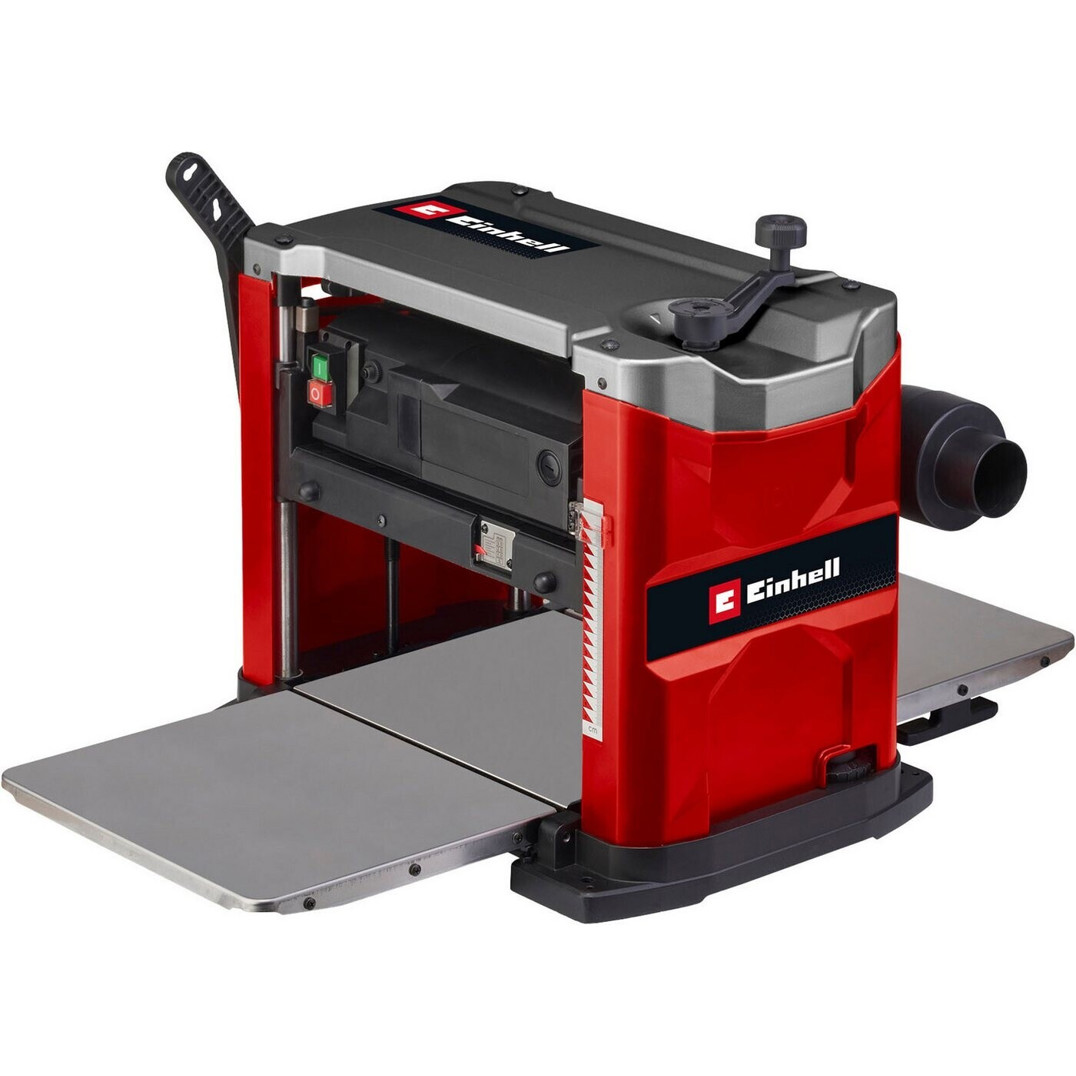
Understanding Planning Machines: Types, Functions, and Applications
Preparation machines have been critical in the manufacturing and metalworking markets for decades. They are essential for forming and smoothing products, particularly metals, with precision and uniformity. This blog site post delves deep into the different types of preparing machines, their functions, and applications.
What are Planning Machines?
Planning machines, often described as planers, are tools used for converting products by removing excess product to develop a wanted shape. These machines run on the concept of direct motion, where the cutting tool is fixed in a particular position and Elektrische Hobelmaschinen Für Kleines Budget (http://47.96.74.212) the workpiece is returned and forth past the tool. Their primary role is to produce flat surface areas, grooves, and various profiles on products such as metal, wood, and plastics.
Kinds Of Planning Machines
Understanding the different kinds of preparing machines can considerably enhance their selection and application in various markets. Listed below, we check out the numerous kinds of preparing machines, categorized based on their design and performance.
1. Horizontal Planers
Horizontal planers are amongst the most typical kinds of planning machines. They run on a horizontal plane, making them appropriate for a wide range of applications.
| Feature | Description |
|---|---|
| Cutting Action | Horizontal, direct movement of the workpiece |
| Applications | Flat surfaces, depth cuts, and profiles |
| Material Compatibility | Metals, wood, and some plastics |
2. Vertical Planers
As the name suggests, vertical planers have a vertical orientation. These machines are typically utilized for smaller workpieces and highly detailed jobs.
| Function | Description |
|---|---|
| Cutting Action | Vertical movement of the workpiece |
| Applications | Completing operations, relief cuts |
| Product Compatibility | Metal, soft products, plastic |
3. Universal Planers
Universal planers are equipped with the ability to rotate the workpiece. This permits different geometrical shapes and profiles to be machined.
| Feature | Description |
|---|---|
| Cutting Action | Flexible cutting courses with rotational capability |
| Applications | Complex profiles and styles, jigs |
| Product Compatibility | Metals, woods of different densities |
4. Planer Types Based on Operation
-
Mechanical Planer: These are powered by mechanical systems, generally driven by an electric motor. They are robust and typically used in heavy markets.
-
Hydraulic Planer: These utilize hydraulic systems to operate the cutting tool. This type offers better control and is typically utilized for precision machining.
5. Combination Planers
These machines integrate both horizontal and vertical planning capabilities. They are multifunctional and can handle a range of machining tasks, making them flexible in workshops and factories.
| Function | Description |
|---|---|
| Cutting Action | Multiple cutting orientations offered |
| Applications | Multitasking, machining intricate styles |
| Material Compatibility | Vast array from soft products to hard alloys |
Applications of Planning Machines
The adaptability of preparing machines makes them important in numerous industries. Below are some of the main applications:
1. Manufacturing Sector
- Precision Engineering: Essential for creating components that need tight tolerances.
- Automotive Production: Used in the fabrication of engine blocks and other parts.
2. Woodworking
- Furniture Industry: Employed to create smooth surface areas and complex patterns.
- Cabinet Making: Ideal for producing flat panels and profiles.
3. Aerospace
- Component Fabrication: Useful in producing light-weight, strong parts for airplane.
4. Appliance Manufacturing
- Family Items: Used extensively in creating devices like fridges and washing machines.
Advantages of Using Planning Machines
- Precision: Deliver precise measurements and uniformity throughout batches.
- Versatility: Capable of managing various products and complicated shapes.
- Performance: Streamlined processes that substantially lower manual work.
- Durability: Built to last, preparing machines can hold up against heavy use.
Maintenance Tips for Planning Machines
- Regular Lubrication: Keeps the moving parts working smoothly.
- Regular Cleaning: Removes particles and metal shavings that can prevent performance.
- Positioning Checks: Regularly make sure that parts are aligned correctly to keep precision.
- Examination: Frequently check for hobelmaschinen für Kleines budget wear and tear, changing parts as needed.
Regularly Asked Questions (FAQs)
1. What materials can planning machines deal with?
Preparation machines can deal with a range of materials, consisting of metals (steel, aluminum), wood, and some plastics, depending upon the kind of machine and tooling used.
2. How do I pick the best organizer for my requirements?
Picking the ideal organizer depends upon a number of aspects, including the type of product you are working with, the precision needed, the size of your workpieces, and whether you need a single function or Hobelmaschinen Für Möbel (historydb.date) multi-functional maker.
3. What precaution should I take when operating preparation machines?
Constantly wear appropriate safety equipment, including goggles and gloves. Ensure your work space is organized and complimentary from hazards, and constantly keep hands and other body parts away from moving parts.
4. Can preparing machines be utilized for machining complex shapes?
Yes, while standard planers are fit for flat surface areas, specific types like universal and combination planers can handle more detailed designs and profiles.
5. What is the difference between a planer and a thicknesser?
Although both machines are utilized in woodworking, a coordinator primarily smooths and flattens surface areas while a thicknesser minimizes the density of the product to a consistent size.
Planning machines play an indispensable role in numerous industrial procedures, providing precision, performance, and flexibility. By understanding the different types of preparing machines and their applications, manufacturers can make informed choices concerning devices selection, ultimately causing improved efficiency and quality. As technology advances, these machines will likely develop, but their fundamental concepts and significance in the machining market will stay steadfast. Checking out the ever-expanding possibilities of preparing device applications will be key for specialists aiming to master their respective fields.