


Fräsmaschinen Mit Garantie Kaufen
Add a review FollowOverview
-
Founded Date September 25, 1944
-
Sectors Chief Engineer
-
Posted Jobs 0
-
Viewed 3
Company Description
20 Tips To Help You Be Better At Industrial Milling Machines
A Comprehensive Guide to Buying Industrial Milling Machines
When it pertains to the manufacturing and production markets, the precision and dependability of machining processes are necessary. Industrial milling machines play a vital role in creating parts and elements, making it possible for producers to fulfill quality requirements and customer expectations. This article intends to provide a thorough understanding of industrial milling machines and key considerations when purchasing.
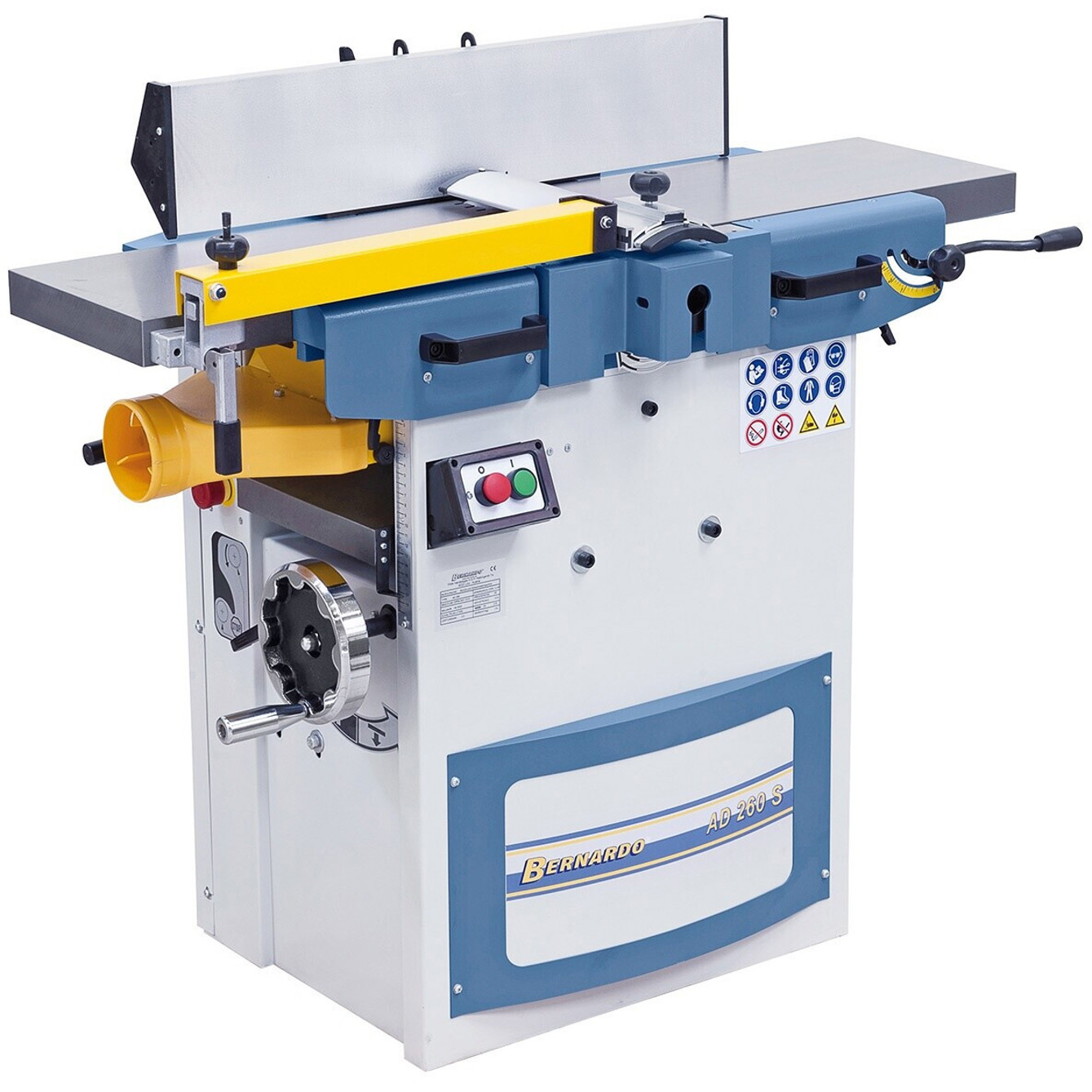
Understanding Industrial Milling Machines
Industrial milling machines are equipment used for shaping and machining metal and other materials by eliminating product from a workpiece. Utilizing rotary cutters, these machines can perform a range of operations such as drilling, boring, and slotting. Milling machines come in numerous sizes and configurations, customized to satisfy the particular requirements of various industries.
Types of Industrial Milling Machines
| Milling Machine Type | Description | Common Applications |
|---|---|---|
| Vertical Milling Machine | The spindle axis is vertical. Provides more adaptability and precision. | Parts requiring accurate cuts. Ideal for small to medium-sized tasks. |
| Horizontal Milling Machine | The spindle axis is horizontal. Powerful for heavy tasks and bigger workpieces. | Heavy machining jobs, producing gears, and big parts. |
| Universal Milling Machine | A combination of vertical and horizontal abilities, adjustable setups. | Flexible applications including large or elaborate parts. |
| CNC Milling Machine | Computer Numerical Control equipment permitting for automation and precision. | Production of complex parts with repeatability and high accuracy. |
Benefits of Investing in Industrial Milling Machines
- Precision and Quality: High-quality milling machines provide greater accuracy, which minimizes waste and makes sure the end product satisfies specifications.
- Adaptability: Industrial milling machines can manage a vast array of products, consisting of metals, plastics, and composites.
- Increased Productivity: Milling machines can run continually, substantially decreasing production time.
- Customization: Many machines can be modified or have additional attachments, making it possible for businesses to custom-tailor them to their particular requirements.
Key Considerations When Buying Industrial Milling Machines
1. Examine Your Needs
- Figure out the type and size of the workpieces you will be machining.
- Recognize the products you will regularly deal with.
- Specify your production volume to select a machine that meets your output requirements.
2. Machine Specifications
- Spindle Speed: Consider whether the machine can accommodate the needed spindle speeds for your operations.
- Table Size: The size of the worktable impacts the size of the workpiece that can be handled.
- Feed Rates: Evaluate the machine’s feed rates and how they line up with your production needs.
3. Control System
- Pick between handbook or CNC (Computer Numerical Control) machines based upon your requirement for automation and precision.
- If selecting CNC machines, assess the user interface and programming software for ease of use.
4. Maintenance & & Support
- Inspect the producer’s reputation for machine dependability and sturdiness.
- Ensure sufficient service and support for upkeep, parts schedule, and troubleshooting.
5. Cost Considerations
- Prepare a budget that includes machine expense, upkeep, setup, and potential operator training.
- Check out financing options or leasing versus purchasing outright, depending upon your service situations.
Regularly Asked Questions (FAQ)
Q1: What is the distinction in between a CNC milling machine and a manual milling machine?
Response: CNC milling machines are automated and managed through computer system software, enabling for high precision and repeatability. Manual milling machines require manual operation and are typically fit for smaller sized, less complicated tasks.
Q2: How do I maintain an industrial milling machine?
Response: Regular maintenance involves cleaning, lubing moving parts, inspecting for wear and tear, and adjusting machine settings as required. It is recommended to follow the manufacturer’s upkeep schedule.
Q3: Can milling machines be used for products besides metal?
Answer: Yes, milling machines can be used on a variety of materials, consisting of plastics, wood, and composites, depending on the machine’s specs and capabilities.
Q4: What precaution should be taken when operating an industrial milling machine?
Response: Safety procedures include using appropriate individual protective devices (PPE), preserving a clean work space, ensuring correct machine safeguards remain in location, and getting extensive training before operation.
Q5: How do I pick the ideal milling machine based upon my market?
Response: Analyze your particular production requirements, the types of products you work with, the volume of production, and the level of precision needed. Speak with industry specialists or machine dealers who can provide tailored recommendations.
Choosing the best industrial milling machine is an important decision for any production or production company. By thinking about the kind of machine, its specs, and the specific requirements of your operation, businesses can make educated purchasing choices that boost efficiency, Fräsmaschinen Mit Kostenlosem Versand Kaufen quality, and profitability. Always conduct comprehensive research, speak with market specialists, and assess long-term upkeep and support when making your choice. A financial investment in the best milling machine can pay dividends in efficiency and output for several years to come.