


Hobelmaschinen Für Die Holzbearbeitung
Add a review FollowOverview
-
Founded Date December 19, 1976
-
Sectors Chief Engineer
-
Posted Jobs 0
-
Viewed 3
Company Description
How Planing Machines Selection Transformed My Life For The Better
Selecting the Right Planing Machine: A Comprehensive Guide
Planing machines play a vital function in the woodworking market, shaping and smoothing wood surfaces to perfection. With various types and models offered, selecting the right planing maker can substantially impact the performance and top-Hobelmaschinen quality of woodworking projects. This post looks into the crucial aspects that must be considered while choosing a planing device and offers an overview of popular models on the market.
Understanding Planing Machines
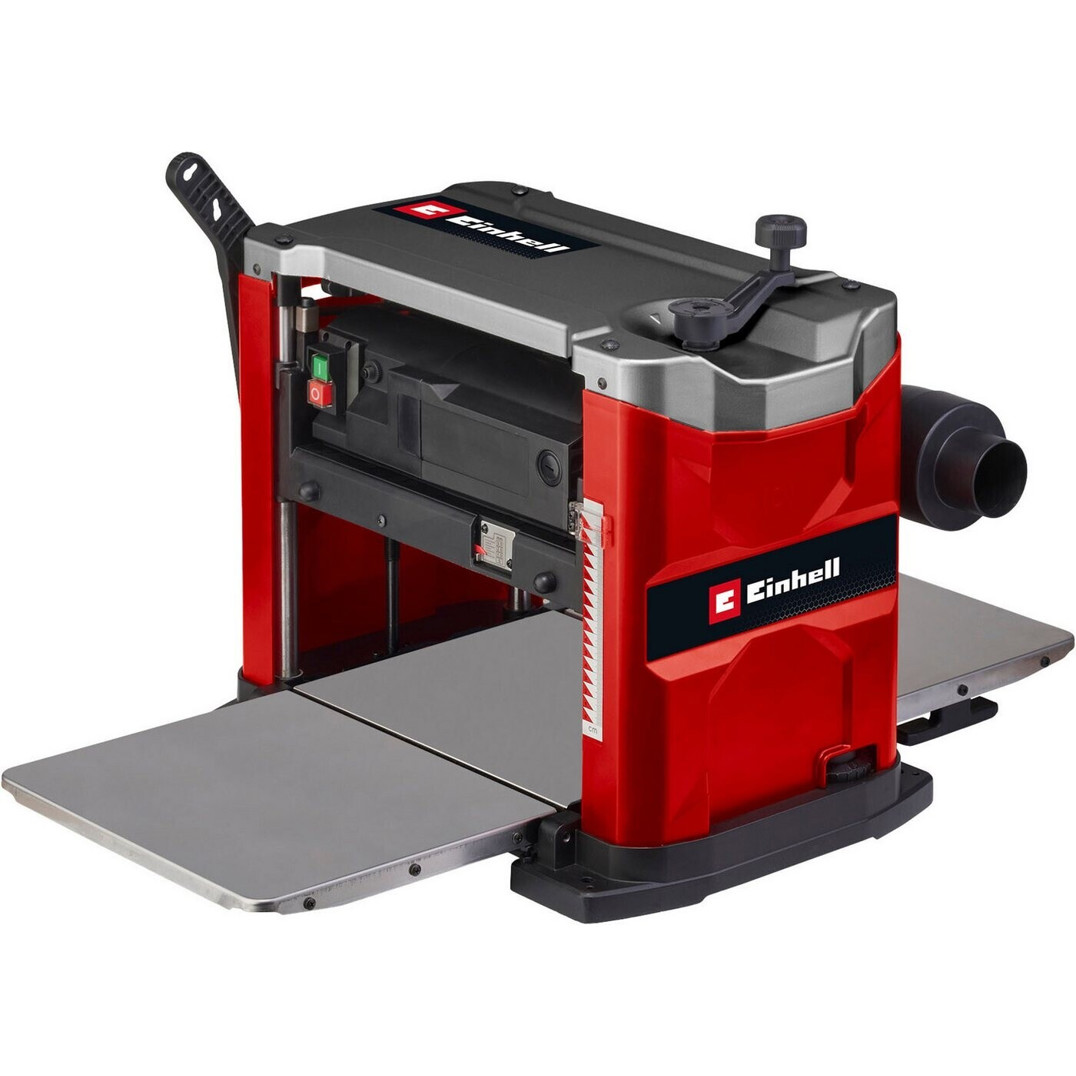
Planing machines, frequently described as density planers, are developed to minimize the density of wood boards while also supplying a smooth surface area finish. These machines work by feeding the wood through a series of turning knives that get rid of material from the surface area. There are a number of types of planing machines, each suitable for various applications and levels of woodworking proficiency.
Common Types of Planing Machines
- Thickness Planer: Primarily utilized to attain consistent thickness throughout boards.
- Benchtop Planer: Compact and portable, matched for hobbyists or smaller shops.
- Flooring Model Planer: Larger units ideal for professional woodworkers and commercial usage.
- Dual-Head Planer: Equipped with 2 sets of cutting blades, enabling for more effective processing.
Secret Factors to Consider
When selecting a planing machine, it is necessary to consider several factors that impact machine performance, effectiveness, and viability for specific tasks. Below is a summary table of these key factors:
| Factor | Description |
|---|---|
| Kind of Work | Figure out whether you require the maker for individual projects, hobby work, or business production. |
| Size and Portability | Consider the office available and whether you’ll require to move the maker regularly. |
| Cutting Capacity | Assess the optimum width and thickness of the wood you plan to work with. |
| Source of power | Choose between electric, manual, or other types based on your particular needs and infrastructure. |
| Speed and Feed Rate | Evaluate the speed of the machine and its feed rate to ensure effectiveness. |
| Adjustability | Search for simple modification features for differing density settings and a smooth surface. |
| Blade Quality | Consider the type and quality of the blades, as they will impact durability and effectiveness. |
| Budget | Specify your budget upfront as rates can differ substantially based on features and brand. |
A Closer Look at Popular Planing Machines
To help readers in making a notified choice, a relative table of a number of popular planing machines is offered below:
| Machine Model | Type | Cutting Capacity (Width x Thickness) | Power Source | Price Range |
|---|---|---|---|---|
| DeWalt DW735X | Thickness Planer | 13″ x 6″ | 15 Amp Electric | ₤ 600 – ₤ 800 |
| Makita 2012NB | Benchtop Planer | 12″ x 1/8″ | 15 Amp Electric | ₤ 400 – ₤ 500 |
| Grizzly G0504 | Floor Model | 20″ x 10″ | 5 HP Electric | ₤ 1,500 – ₤ 2,000 |
| Jet JWP-208HH | Dual-Head Planer | 20″ x 8″ | 3 HP Electric | ₤ 3,000 – ₤ 4,000 |
Tips for Selecting the Right Planing Machine
- Examine Work Needs: Identify the type of woodworking tasks you will carry out.
- Space Assessment: Measure the work area to make sure the chosen machine fits easily.
- User-Friendly Design: Opt for machines with intuitive controls for simple operation, particularly for novices.
- Research Brands: Investigate credible brands known for durability and after-sales assistance.
- Check out Reviews: Look for customer feedback that can provide insights into machine performance and dependability.
Often Asked Questions (FAQ)
1. How often should I change the blades on my planing machine?
Blades need to be changed whenever they pall or cracked. Depending upon the frequency of usage and the type of wood being processed, this can vary from every couple of weeks to a number of months.
2. Can a planing machine be used for hardwood and softwood?
Yes, most planing machines can deal with both wood and softwood. Nevertheless, the performance and longevity may vary depending upon the maker and blade quality.
3. What safety preventative measures should be taken when utilizing a planing device?
Constantly use security goggles, ensure the maker is effectively grounded, and keep hands far from moving parts throughout operation. Familiarize yourself with the device’s security features before usage.
4. Is there a substantial distinction in between benchtop and flooring model planers?
Yes, benchtop planers are smaller and portable, ideal for planing Machines for Hobbyists DIY projects, while floor design planers are bigger, more effective, and created for business woodworking applications.
5. How do I keep my planing machine for optimum efficiency?
Routinely clean the maker, check for loose parts, hone or replace blades, and make sure all moving parts are lubricated based on the maker’s guidelines.
Picking the right planing machine is vital for attaining optimum results in woodworking projects. By bearing in mind the numerous factors, comparing models, and considering personal needs, woodworkers can guarantee they choose a machine that satisfies their requirements. Investing time and effort in this selection procedure will pay off in the long run with enhanced productivity and exceptional craftsmanship. Whether for personal usage or professional purposes, a well-chosen planing maker will improve the quality of the finished product and expand Top-Hobelmaschinen Für Möbel (pad.stuve.de) creative possibilities.