


Best Counterfeit Money For Sale
Add a review FollowOverview
-
Founded Date March 5, 2021
-
Sectors Electrician
-
Posted Jobs 0
-
Viewed 2
Company Description
The 10 Scariest Things About Buy Real Counterfeit Money
Understanding Counterfeit Money: What You Need to Know
Counterfeit money is a term that brings a wide variety of implications, frequently causing legal problems, monetary catastrophe, and ethical issues. Nevertheless, the growing interest in counterfeit money, particularly in search of “real counterfeit money,” has actually provided increase to an elaborate landscape where curiosity fulfills caution.
In this article, we will check out the ins and outs of counterfeit money, its Buy Real Counterfeit Money and harmful ramifications, approaches of protection against it, and distinguish between fake and real currency. We will likewise analyze common mistaken beliefs and respond to FAQs that surround this often misconstrued subject.
What is Counterfeit Money?
Counterfeit money describes fake currency that is produced to imitate real money and mislead individuals into thinking it is genuine. It is usually printed with the intent to be utilized as if it were genuine, ultimately harming society by cheapening the currency and typically resulting in severe legal effects for both the manufacturers and users.
The Statistics of Counterfeiting
Before diving deeper, let’s have a look at some stats regarding counterfeit money:
| Year | Quantity Seized by Law Enforcement | Notable Cases |
|---|---|---|
| 2018 | ₤ 97.9 Million | Operation Aegean |
| 2019 | ₤ 113.8 Million | Operation Money Maker |
| 2020 | ₤ 147.6 Million | Operation Coin Drop |
| 2021 | ₤ 178.6 Million | Operation Paper Trail |
| 2022 | ₤ 205.5 Million | Operation Blue Sky |
| 2023 | ₤ 220.3 Million (to date) | Operation Paperweight |
The Payment Evolution
Over the years, payment techniques have evolved substantially. With cash still being a feasible mode of exchange, banks and the federal government have taken strict measures to prevent counterfeiting. Here’s a quick timeline of currency advancement that shows this:
| Year | Occasion |
|---|---|
| 1861 | First U.S. paper currency released |
| 1929 | Modern U.S. currency design introduced |
| 1996 | Intro of the ₤ 100 note with innovative security features |
| 2004 | New ₤ 20, ₤ 50, and ₤ 100 notes launched with boosted security |
| 2020 | Revamped ₤ 10 note revealed |
The Dangers of Counterfeiting
It’s vital to recognize that engaging with counterfeit money is illegal. The following points sum up the threats:
- Legal Consequences: Using and even having counterfeit money can lead to criminal charges, fines, and imprisonment.
- Financial Loss: Businesses that accept counterfeit bills might sustain financial difficulties, specifically if the counterfeit is not found till after the transaction.
- Trust Erosion: Counterfeiting can result in a general skepticism in currency, impacting economic stability at both local and national levels.
How to Identify Counterfeit Money
Awareness of how to recognize counterfeit money can be helpful for both consumers and businesses. Here are some standard security functions to search for:
Key Features of Authentic Currency
| Function | Description |
|---|---|
| Watermark | A watermark ought to show up when held up to the light. |
| Security Thread | A thin strip embedded in the note that can be seen when held up to the light. |
| Color-Shifting Ink | The ink used for specific designs may change color when seen from various angles. |
| Microprinting | Tiny text that ought to be legible only under zoom. |
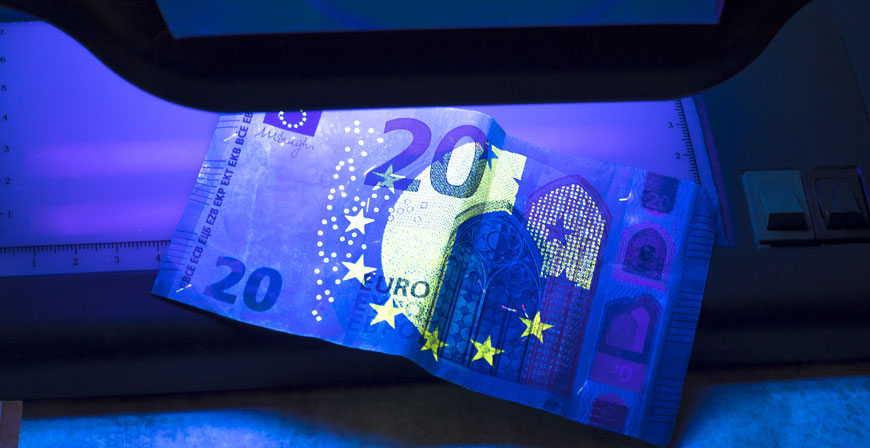
| UV Features | Particular functions may only be visible under ultraviolet light. |
Counterfeit Detection Tools
To help in identifying counterfeit currency, businesses might use various tools:
- UV Light Scanner: Helps in identifying UV features.
- Pen Test: A special pen can be used to check the ink on the expense.
- Amplifying Glass: Useful for examining microprinting.
The Ethical Consideration
Counterfeit money does not simply bring forth legal concerns; it raises ethical concerns about stability, trust, and the obligations of individuals within society. Comprehending the darker ramifications not just restricts the opportunities of engagement with counterfeit bills but helps cultivate a more credible neighborhood.
Frequently Asked Questions About Counterfeit Money
Q1: What should I do if I get counterfeit money?
If you find counterfeit money, do not attempt to utilize it. Instead, report it to your regional law enforcement company.
Q2: Can I be detained for unknowingly utilizing counterfeit money?
Yes, while intent matters, individuals can still deal with legal repercussions for investing counterfeit money, as an absence of proof showing intent may cause complications.
Q3: Are there any safe ways to buy or offer collectible counterfeit money?
While some collectors may have an interest in historical reproductions or collectible “play” money, guarantee that all transactions abide by local laws. Constantly reveal that the items are replicas.
Q4: What are the penalties for counterfeiting money?
Penalties can include fines, restitution, and imprisonment. The severity depends on the scale of the operation and regional laws.
Q5: How can services secure themselves against counterfeit bills?
Companies can use cash-handling treatments, train staff members on how to identify counterfeit currency, and use detection tools frequently.
Buying or even considering counterfeit money, despite the inspirations or means, is a domino effect towards legal ramifications and ethical predicaments. Educating oneself about the subtleties of currency, the signs of counterfeiting, and the prospective repercussions can ensure not only personal safety however also add to a reliable monetary environment.
Eventually, comprehending the characteristics of counterfeit money is necessary in a society that relies so greatly on the integrity of its currency. By acknowledging the signs and repercussions, customers and companies alike can protect themselves against the dangers of counterfeit money.