


Echten Führerschein Kaufen Erfahrungen
Add a review FollowOverview
-
Founded Date May 4, 1996
-
Sectors Able seaman (AB)
-
Posted Jobs 0
-
Viewed 2
Company Description
Why You Should Concentrate On Improving Buying A German Driving License Experiences

Navigating the Autobahn and Beyond: Understanding the German Driving License Experience
The allure of Germany typically extends beyond its abundant history, dynamic culture, and spectacular landscapes. For lots of, the prospect of driving on the famous Autobahn, a network renowned for its sections without necessary speed limits, is a significant draw. Nevertheless, before one can experience the adventure behind the wheel in Germany, obtaining a German driving license is a needed and, typically perceived, challenging undertaking. This post explores the experiences associated with acquiring a German driving license, offering a useful guide to the process, possible hurdles, and valuable insights for anybody considering starting this journey.
A German driving license is more than simply a piece of paper permitting kann Man legal einen führerschein kaufen operation of a vehicle; it’s a testimony to a driver’s skills and adherence to rigid German roadway safety requirements. The procedure is developed to be extensive, ensuring drivers are not just experienced about traffic laws however likewise have the useful skills and responsible mindset needed to navigate German roadways safely. While the reputation of the German driving test as strenuous is well-earned, comprehending the process and being prepared can make the experience less overwhelming and eventually effective.
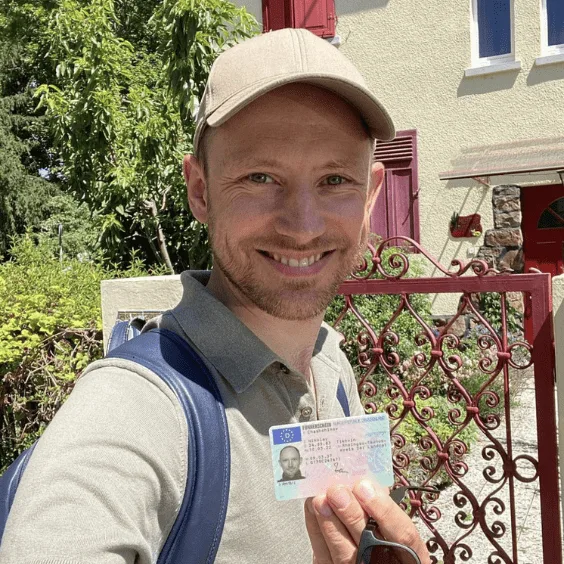
The Road to a German Driving License: A Step-by-Step Journey
Obtaining a German driving license is a structured procedure, usually including numerous crucial phases. While specific experiences can differ based upon specific circumstances and driving schools, the general path stays consistent.
Here’s a breakdown of the standard actions:
-
Enrolling in a Driving School (Fahrschule): This is the first and important step. Choosing the best driving school is vital as they will guide you through the entire process. Driving schools in Germany are regulated and offer structured training programs adhering to national standards. Enrollment normally involves registration and receiving initial information about the course structure, costs, and required files.
-
Eye Test (Sehtest): Before starting official training, an eye test is compulsory to ensure you meet the minimum vision requirements for driving. This test can be done at an optician or an eye doctor. A certificate of your successful eye test is a required document for your application.
-
Emergency Treatment Course (Erste-Hilfe-Kurs): Demonstrating understanding of very first help is a prerequisite for acquiring a German driving license. You will need to complete an acknowledged very first aid course, typically lasting a day. These courses are extensively offered and cover essential emergency treatment treatments pertinent to roadway accidents and general emergency situations.
-
Theory Lessons (Theorieunterricht): German driving theory is comprehensive and extensive. Driving schools supply necessary theory lessons, covering everything from traffic laws and policies, roadway indications, and right of way rules to vehicle technology, ecological factors to consider, and protective driving techniques. These lessons are typically interactive and developed to prepare trainees for the theoretical evaluation.
-
Theory Exam (Theorieprüfung): Once the theory lessons are completed, you can use to take the official theory exam. This computer-based exam tests your understanding of German driving laws and regulations. It includes multiple-choice concerns and video-based circumstances. Passing the theory exam is a requirement for starting useful driving lessons. Many prospective drivers discover the theory exam challenging due to the sheer volume of info and the requirement to comprehend nuanced German traffic guidelines. Language can also be a substantial barrier for non-native speakers.
-
Practical Driving Lessons (Fahrstunden): After passing the theory exam, the practical driving lessons start. The number of lessons required varies significantly depending upon private aptitude, prior driving experience (if any), and the driving instructor’s evaluation of development. German driving instructors are extremely trained and focus not only on fundamental car control but likewise on safe, accountable, and anticipatory driving. Lessons cover a vast array of driving circumstances, including city driving, Autobahn driving, rural roadways, night driving (often obligatory), and emergency situation maneuvers. These lessons are performed in driving school automobiles geared up with dual controls.
-
Practical Exam (Praktische Prüfung): The practical driving exam is the final hurdle. It is conducted by an official examiner from the TÜV (Technischer Überwachungsverein) or DEKRA (Deutscher Kraftfahrzeug-Überwachungs-Verein), independent screening organizations. The exam generally lasts around 45-60 minutes and evaluates a driver’s capability to securely and properly run a vehicle in real-world traffic conditions. Examiners meticulously examine driving abilities, adherence to traffic guidelines, observation abilities, and total driving habits. The German practical exam is known for its thoroughness and can be perceived as requiring. It is not unusual for prospects to need multiple efforts to pass.
Browsing the Bumps in the Road: Common Experiences and Challenges
While the procedure is structured, individuals frequently come across particular obstacles and have distinct experiences during their journey to get a German driving license.
-
Language Barrier: For non-German speakers, the language barrier can be a considerable hurdle, especially for the theory exam. While some driving schools use lessons and materials in English or other languages, the official theory exam and practical exam are generally performed in German. Comprehending intricate German traffic rules and terminology can be demanding, needing extra effort and language assistance.
-
Strictness of the System: The German driving license system is known for its rigor and high standards. Both the theory and practical examinations are designed to be difficult, showing the focus on road security in Germany. This strictness can be initially daunting for some, particularly if they are utilized to less strict licensing processes in their home nations.
-
Cost: Obtaining a German driving license can be costly. Costs consist of driving school enrollment charges, theory and useful lesson charges (which are typically charged per lesson), eye test, very first help course, theory and useful exam costs, and application fees. The total expense can differ based on the variety of useful lessons needed, which in turn depends on specific learning speed and previous experience.
-
Thoroughness of Practical Exam: The useful exam is thoroughly detailed, and inspectors are trained to observe a wide range of driving behaviors. Even small mistakes can cause failure if they are deemed to jeopardize security or indicate a lack of competence. This thoroughness can create pressure and anxiety for candidates.
-
Finding a Suitable Driving School and Instructor: The relationship with the driving instructor is vital for success. Finding a driving school and instructor that suit specific learning styles and needs is necessary. Elements like trainer’s teaching design, communication skills, and availability can considerably affect the knowing experience.
-
Waiting Times: Depending on the region and driving school, waiting times for theory and useful exams can in some cases be longer than wanted. This can contribute to the general period of the procedure.
Tips for a Smoother Ride: Strategies for Success
While difficulties exist, successful acquisition of a German driving license is achievable with preparation and the best method.
Here are some suggestions to improve the experience and increase the possibilities of success:
-
Start Early and Plan Ahead: Begin the process well in advance of when you in fact require the license. This permits sufficient time for knowing, practicing, and dealing with prospective hold-ups.
-
Select a Reputable Driving School: Research and pick a well-regarded driving school with experienced trainers and a good credibility. Look for recommendations and read reviews from other students.
-
Diligent Theory Preparation: Devote adequate time to studying the theory product. Make use of finding out apps, practice tests, and other resources to enhance your understanding of German traffic laws. For non-native speakers, consider language assistance resources specifically designed for driving theory.
-
Be Proactive in Practical Lessons: Actively take part in practical lessons. Ask questions, seek feedback, and practice recognized areas of weak point. Do not be reluctant to request extra lessons if you feel you need more practice.
-
Address Language Barriers Head-On: If language is a concern, consider driving schools that offer support for non-native speakers, explore translation tools for theory products, and possibly look for language tutoring concentrated on driving-related vocabulary.
-
Practice, Practice, Practice: Supplement driving school lessons with additional practice if possible, even if it’s simply practicing maneuvers in a safe, controlled environment (with proper supervision and permissions if not a personal area). The more comfy and positive you lag the wheel, the much better you will perform in the exam.
-
Mock Exams and Practice Tests: Utilize mock theory and practical exams to familiarize yourself with the exam format, determine locations for enhancement, and reduce exam anxiety.
-
Don’t Be Discouraged by Failure: It is not uncommon to fail the practical exam on the first effort in Germany. Don’t let this dissuade you. Analyze the examiner’s feedback, deal with the recognized weak points, and attempt once again. Determination is key.
Foreign License Conversion: An Alternative Route
For some people holding driving licenses from other nations, there may be the possibility of transforming their existing license to a German one without going through the complete German driving license treatment. This depends on reciprocal arrangements between Germany and the issuing nation. However, even with reciprocal contracts, a practical test or extra training may still be required. It’s important to examine the specific guidelines based on your native land and the class of license you hold. If conversion is not possible, or if the foreign license is not recognized, getting a full German driving license through the standard procedure is needed.
Conclusion: The Value of a German Driving License
Getting a German driving license is unquestionably an extensive and often tough process. However, the rigor of the system ensures that license holders are competent and safe drivers, adding to Germany’s reputation for road security. The experiences encountered during the procedure, from mastering complicated traffic laws to navigating requiring useful exams, ultimately equip drivers with the abilities and understanding necessary to confidently and properly browse German roadways and beyond. While it may need effort, dedication, and potentially a few efforts, the benefit of holding a German driving license, with its reliability and recognition, is well worth the journey. It opens doors to checking out Germany and Europe on four wheels, offering freedom and independence in an area known for its outstanding roadway infrastructure and driving culture.
Frequently Asked Questions (FAQs) about Getting a German Driving License
Q: How long does it take to get a German driving license?
A: The duration differs greatly depending upon specific discovering speed, prior experience, and the accessibility of driving school visits and exam slots. It can range from a few months to over a year. Factors like language efficiency and the variety of practical lessons needed likewise contribute.
Q: How much does it cost to get a German driving license?
A: Costs vary significantly. Spending plan anywhere from EUR2,000 to EUR3,500 or perhaps more. Costs depend upon the driving school, the number of useful lessons needed, exam fees, and other associated expenses. It’s suggested to get expense price quotes from numerous driving schools.
Q: Can I take the theory and practical tests in English?
A: Generally, the main theory and useful tests are conducted in German. While some driving schools may offer theory lessons and materials in English, the official tests are usually in German. It’s vital to confirm with the driving school and authorities about language alternatives.
Q: How many theory and useful lessons are mandatory?
A: There is no lawfully mandated minimum variety of practical driving lessons. However, obligatory theory lessons need to be finished. The variety of practical lessons needed depends upon specific ability and the driving instructor’s evaluation of progress. A certain variety of unique driving lessons (e.g., Autobahn, night driving) are frequently compulsory.
Q: What takes place if I stop working the theory or practical exam?
A: If you stop working either the theory or practical exam, you can retake it. There is usually a waiting duration before you can try the exam once again. There are likewise limits to how lots of times you can fail before needing to re-enroll in driving school or dealing with further constraints.
Q: Can I use my foreign driving license in Germany?
A: Whether you can use your foreign driving license in Germany and for how long depends upon your nation of origin and the kind of license. Licenses from EU and EEA nations are typically recognized. For licenses from non-EU/EEA countries, there may be a restricted validity duration or the requirement for conversion or a German driving license. It’s important to inspect the particular guidelines based on your individual circumstances.
Q: Do I need to own a car to get a German driving license?
A: No, you do not require to own a car. Driving lessons and useful tests are performed in driving school vehicles.
Q: Is it possible to move my foreign driving license to a German one?
A: Yes, in some cases, it is possible to move a foreign driving license to a German one, depending on reciprocal arrangements in between Germany and the issuing country. The procedure and requirements vary. Contact the local driving license authority (Führerscheinstelle) for specific information.
Q: What types of automobiles can I drive with a German Class B driving license (basic car license)?
A: A Class B driving license allows you to drive guest cars and trucks (approximately 3.5 lots of maximum authorized mass) with up to 8 passenger seats plus the driver’s seat. It also consists of trailers approximately a specific weight. For bigger vehicles or other categories, additional driving license classes are needed.