


Einbaukühlschrank No Frost
Add a review FollowOverview
-
Founded Date September 18, 1913
-
Sectors Captain / Master
-
Posted Jobs 0
-
Viewed 2
Company Description
What’s The Current Job Market For Freezer Energy Efficiency Class C Professionals Like?
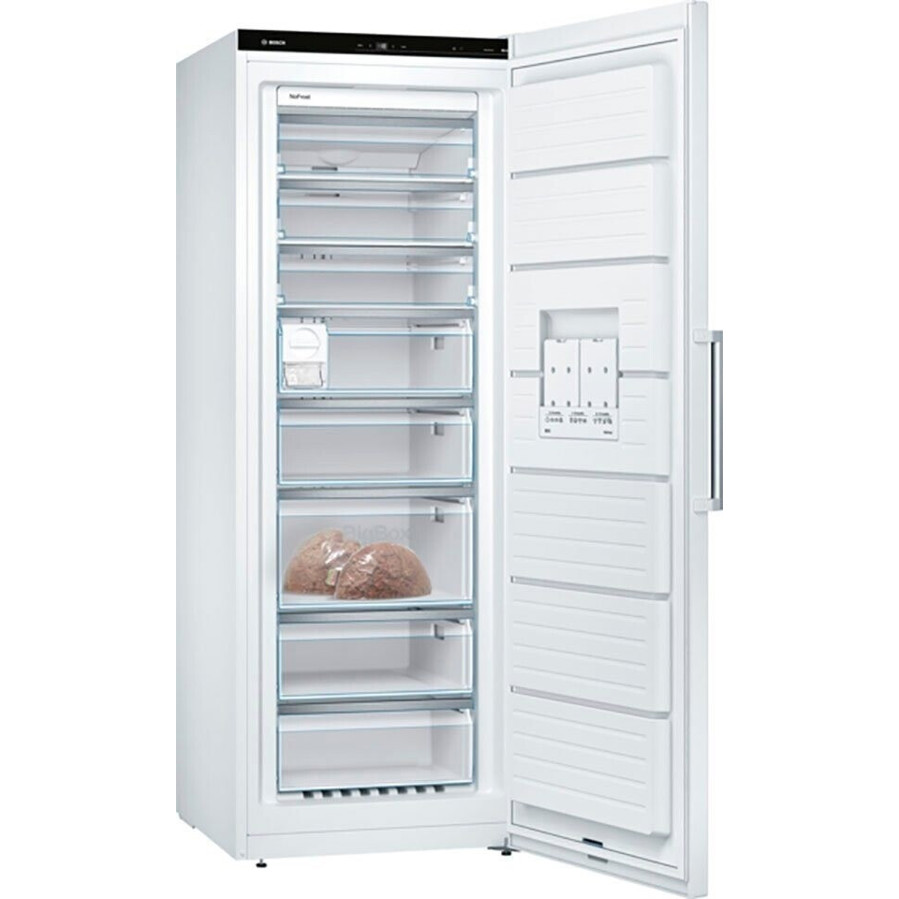
Understanding Freezer Energy Efficiency Class C: What You Need to Know
In today’s environmentally mindful world, energy efficiency has gotten substantial value among customers and manufacturers alike. When it concerns household appliances, a freezer’s energy efficiency score can considerably impact energy intake and energy costs. This blog site post will explore Freezer Energy Efficiency Class C– what it suggests, how it compares to other classes, and pointers on how to improve energy efficiency in freezers.
What Does Energy Efficiency Class C Mean?
Energy efficiency classes are standardized scores that indicate how much energy a home appliance consumes relative to its output or efficiency. These classes range from A to G, with A being the most effective and G the least.
Freezers with an Energy Efficiency Class C score are considered typical in terms of energy intake. They aren’t the most effective options readily available, however they often cost less than higher-rated designs.
Energy Efficiency Classes
| Energy Class | Description |
|---|---|
| A+++ | Extremely effective |
| A++ | Very efficient |
| A+ | Efficient |
| A | Moderate efficiency |
| B | Second-rate |
| C | Average |
| D | Second-rate |
| E | Poor |
| F | Extremely poor |
| G | Exceptionally poor |
Key Characteristics of Class C Freezers
-
Energy Consumption: Class C freezers usually consume more electricity compared to their more effective equivalents. This indicates that while they may be more economical to purchase, it may cost more to operate them in time.
-
Preliminary Cost: Freezers with a Class C ranking typically have lower in advance expenses, making them attractive for budget-conscious consumers.
-
Size and Capacity: Class C designs can be available in numerous sizes, from compact units to bigger chest freezers. This variability enables consumers to select a design that fits their requirements without jeopardizing on cost.
-
Cooling Technology: Many Class C freezers make use of traditional cooling methods rather than sophisticated technologies discovered in higher-rated designs. As a result, their cooling performance might not be as consistent.
Advantages and disadvantages of Class C Freezers
Pros:
-
Affordability: Generally, Class C freezers have lower initial expenses compared to higher-rated designs, making them accessible for consumers on a spending plan.
-
Appropriate for Average Use: For homes that don’t frequently use a freezer or shop large quantities of food, a Class C freezer may supply enough performance.
-
Easier Features: Many Class C models focus on fundamental functionalities, lack complicated features, and are frequently much easier to utilize.
Cons:
-
Higher Energy Costs: The ongoing energy intake can result in greater utility costs, negating the cost savings from the lower purchase price.
-
Ecological Impact: Less energy-efficient appliances contribute to greater carbon footprints, which can be an issue for environmentally conscious consumers.
-
Restricted Longevity: Class C units may not last as long as more effective designs, leading to more regular replacements and increased waste.
Tips for Improving the Energy Efficiency of Class C Freezers
-
Proper Location: Place the freezer in a cool, well-ventilated location away from direct sunlight and heat sources like ovens and dishwashers.
-
Temperature level Settings: Set the freezer temperature level to optimum levels (usually around -18 ° C or 0 ° F )to guarantee efficient operation
-
. Keep It Full: A complete freezer operates more effectively than an empty one. If you don’t have adequate food to fill it, think about using ice bag or containers of water to inhabit area.
-
Regular Maintenance: Clean the coils and gasket seals routinely to ensure the freezer runs efficiently and doesn’t need to work more difficult than required.
-
Minimize Opening the Door: Each time the freezer door is opened, cold air escapes. Minimize door openings, and try to take out items quickly.
FAQs About Freezer Energy Efficiency Class C
1. How does a Class C freezer compare to Classes A and B?
Class C freezers are less energy-efficient than Classes A and B. They take in more electrical energy and generally cost more to run over time.
2. Is it worth acquiring a Class C freezer?
If you’re on a spending plan and don’t require high energy efficiency for sporadic usage, a Class C freezer might be an ideal alternative. Nevertheless, consider long-lasting energy expenses before buying.
3. Can I update a Class C freezer for better efficiency?
Yes, improving energy efficiency can be possible through proper maintenance, mindful use, and by following suggested functional practices.
4. What is the typical life expectancy of a Class C freezer?
The lifespan of a Class C freezer is normally in between 10 to 15 years, depending on use, brand name, and maintenance.
5. Will a greater energy class conserve me cash?
Most of the times, buying a greater energy class freezer (A or A+) can lead to savings on energy expenses, offsetting the initial purchase expense gradually.
Freezer Energy Efficiency Class C is a practical alternative for many customers. While they may do not have the energy efficiency of higher-rated designs, their price and sufficient performance make them a prospective option for budget-conscious households. By comprehending energy classes, customers can make educated decisions and take steps to improve the efficiency of their appliances, resulting in both savings and responsible energy use. As the world moves towards greener services, thinking about energy-efficient appliances in our homes becomes more important than ever.