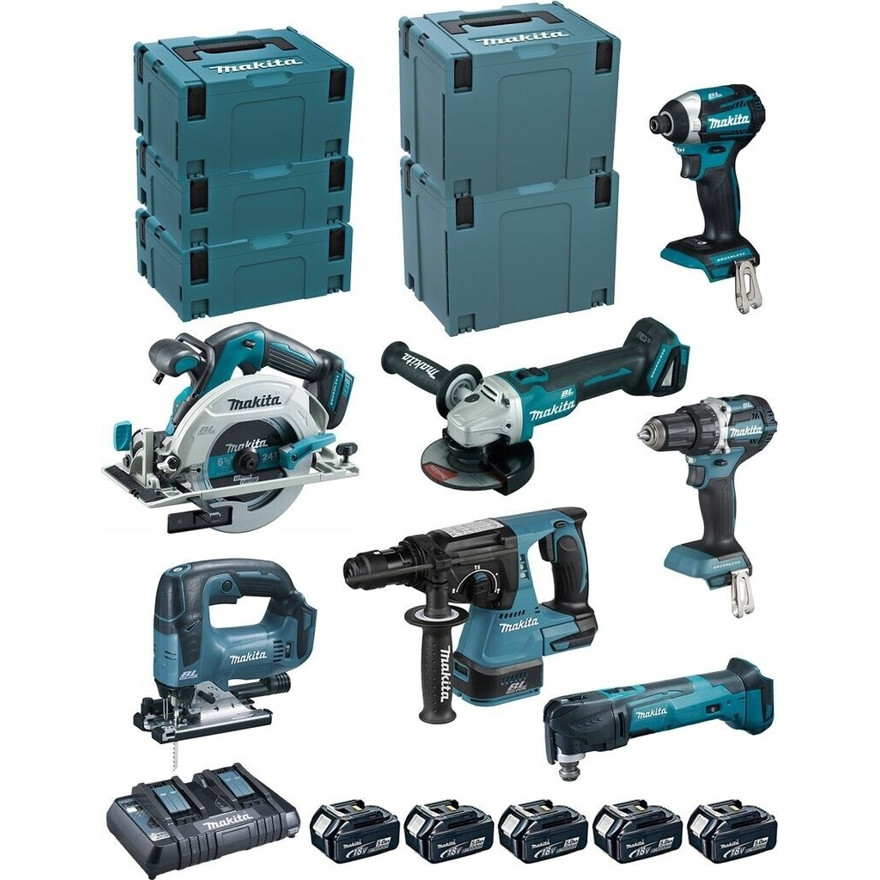
Fräsmaschinen Für Den Professionellen Einsatz Kaufen
Add a review FollowOverview
-
Founded Date November 11, 1929
-
Sectors Maintenance Engineer (Chief Engineer)
-
Posted Jobs 0
-
Viewed 2
Company Description
The Guide To Industrial Milling Machines In 2024
A Comprehensive Guide to Industrial Milling Machines
Milling machines have changed the production world, supplying enhanced precision and performance in numerous industries. From aerospace to automotive, these flexible machines play a crucial function in producing intricate parts and components. This post checks out the various kinds of industrial milling machines, their applications, and key considerations for picking the best milling machine for your needs.
Understanding Milling Machines
At its core, Beste FräSmaschinen a milling machine uses turning cutters to remove product from a workpiece, creating particular shapes and designs. These machines can operate on various materials, including metals, plastics, wood, Beste Angebote Für Fräsmaschinen and composites. The milling procedure enables elaborate styles that would be impossible with traditional machining approaches.
Types of Industrial Milling Machines
Industrial milling machines can be found in different types, each designed to accommodate specific applications. Below is a table describing the most common kinds of milling machines and their qualities:
| Type of Milling Machine | Description | Typical Applications |
|---|---|---|
| Vertical Milling Machine | The spindle is oriented vertically; usually used for small to medium-sized parts. | Tool and pass away making, güNstige fräsmaschinen models, small-batch production |
| Horizontal Milling Machine | Features a horizontal spindle; appropriate for large, heavy workpieces. | Manufacturing of equipments, large parts production |
| CNC Milling Machine | Computer System Numerical Control (CNC) technology enables automated and programmable operations. | Mass production, precision parts, automobile and aerospace markets |
| Universal Milling Machine | Can carry out horizontal and vertical milling operations; versatile and adaptable. | Production workshops, tool making |
| Bed Mill | A variant of vertical milling machines with a larger work surface; ideal for heavy milling. | Medium to large workpieces needing precision |
| Turret Mill | Functions a stationary bed and a movable turret; helpful for small production runs. | Prototyping, one-off jobs |
Advantages of Industrial Milling Machines
Industrial milling machines provide numerous advantages that contribute to their widespread use in numerous sectors. Here are some key benefits:
- Precision and Accuracy: Milling machines can achieve tight tolerances and complex styles, making them perfect for parts requiring high precision.
- Versatility: With various accessories and tools offered, milling machines can accomplish different making jobs, from easy cuts to intricate shapes.
- Automation: CNC milling machines automate the procedure, reducing human error and preiswerte fräSmaschinen increasing efficiency, particularly for mass production runs.
- Scalability: Businesses can easily scale operations up or down, changing to market demands and production requirements.
Key Considerations When Choosing a Milling Machine
When selecting an industrial milling machine, numerous aspects should be assessed to guarantee the right fit for your particular requirements:
-
Material Compatibility: Different milling machines perform much better with specific materials. Assess your predominant materials to choose the very best machine.
-
Size and Scale: Consider the size of the workpieces, as well as the production scale. Some machines are better suited for large batches, while others are created for custom, one-off jobs.
-
Precision Requirements: Determine the required precision levels for your specific applications, which will influence the option between manual and CNC options.
-
Budget Constraints: Always consider your budget when choosing a milling machine. High-end CNC machines can be expensive however might conserve money in the long run due to effectiveness.
-
Offered Space: Industrial milling machines can be considerable; ensure you have appropriate space for the machine and essential tools.
Applications of Milling Machines
Industrial milling machines serve a vast selection of industries and applications. Some common usages include:
- Aerospace: Manufacturing elements such as turbine blades and equipment housings that demand high precision and product stability.
- Automotive: Creating engine blocks, transmission parts, and other important components where precision is paramount.
- Medical Devices: Producing surgical instruments and implants needing exact dimensions and tolerances.
- Electronic devices: Manufacturing complex electronic enclosures and parts where detailed designs are important.
- Building and construction: Creating parts for equipment, brackets, and custom fittings.
Regularly Asked Questions (FAQ)
1. How does a milling machine vary from a lathe?
Milling machines remove product from a workpiece by utilizing turning cutters, whereas lathes rotate the workpiece versus a fixed cutting tool. Lathes are generally used for creating cylindrical parts, while milling machines appropriate for a larger variety of shapes.
2. What is CNC milling?
CNC milling (Computer Numerical Control milling) includes using computer system software application to manage the movement of the milling machine and the tools. CNC milling machines enable for automation, Tischfräsmaschinen kaufen precision, and repeatability, making them highly effective for mass production.
3. What is the significance of tooling in milling operations?
Tooling is important in milling operations as it figures out the quality of cuts, material elimination rates, and overall efficiency. Choosing the ideal tooling based upon the material and preferred finish is important for successful machining.
4. Can milling machines be used for both metal and wood?
Yes, the majority of mills can work with both metal and wood. Nevertheless, particular attachments and tooling might be needed to enhance the milling procedure for various materials.
5. How frequently should milling machines be preserved?
Regular upkeep is necessary for ensuring ideal performance and longevity. Daily checks for wear and tear, lubrication, and routine professional maintenance are advised to keep machines in peak condition.
Industrial milling machines are vital to contemporary production, supplying unequaled precision and flexibility throughout a variety of industries. By understanding the various types of milling machines, applications, and crucial selection criteria, businesses can make educated choices that improve productivity, effectiveness, and success. With the ideal milling machine, companies can press the boundaries of what’s possible in production, paving the method for innovation and growth in an ever-evolving market.