


French Door Repair Near Me
Add a review FollowOverview
-
Founded Date July 3, 1982
-
Sectors Security Officer
-
Posted Jobs 0
-
Viewed 2
Company Description
Five Killer Quora Answers To French Door Locks
Understanding French Door Locks: A Comprehensive Guide
French doors are a popular architectural feature in many homes, providing elegance and a seamless transition between indoor and outdoor areas. Nevertheless, the charm of these doors includes its own set of security obstacles. Making sure that your French doors are properly protected is important, which is where French door locks enter play. In this post, we will explore the numerous kinds of French door locks, their functions, installation procedures, and maintenance tips. By the end, you will be fully equipped to select the right locking system for your requirements.
What are French Doors?
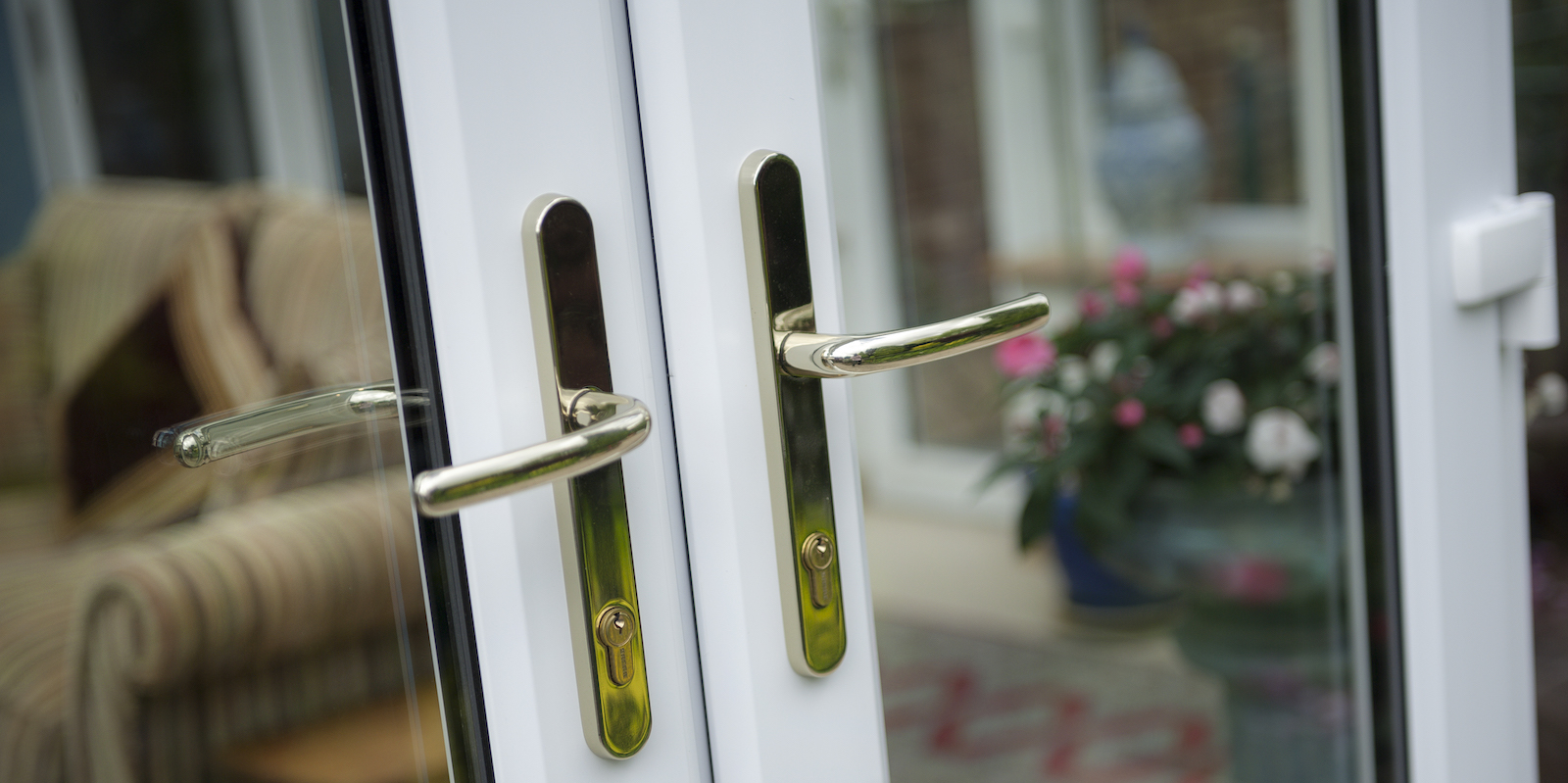
French doors are double doors that typically open outwards and consist of glass panels framed by wood or metal. They are applauded for their visual appeal and ability to let in natural light. While they boost a home’s appeal, their style can present security risks if not correctly secured.
Common Types of French Door Locks
French door locks been available in different types, each offering various levels of security and performance. Here’s a detailed appearance at the most common types:
| Lock Type | Description | Security Level | Perfect Use Case |
|---|---|---|---|
| Deadbolt Locks | A robust lock that secures the door by extending a bolt into the door frame. | High | Main entryways requiring strong security. |
| Surface-Mounted Locks | Locks mounted on the surface area of the door. Frequently featured a locking mechanism that moves into place. | Medium | For added security on existing French doors. |
| Hook Locks | Uses a L-shaped hook to acquire the door frame. Reliable but less common. | Medium-High | When additional security is needed. |
| Keyless Entry Systems | Electronic locks that utilize a keypad or biometric scanner for entry. | High | Modern homes valuing tech security. |
| Slide Bolts | Simple bolts that slide into the door frame to prevent it from opening. | Low-Medium | Secondary locks for included security. |
| Multi-Point Locks | Locks that protect the door at numerous points along the frame. | High | High-traffic areas or bigger doors. |
Why Security Matters for French Doors
French doors usually have big glass panels, making them more vulnerable to break-ins compared to strong doors. Here are numerous reasons that securing French doors is essential:
- Increased Vulnerability: With glass panels, French doors can be targeted by intruders who can break the glass to open the door.
- Access Points: As double doors, they represent 2 access points, which may motivate trespassers to try and enter.
- Insurance Requirements: Many insurer may need particular locking mechanisms to protect versus theft-related claims.
- Comfort: Adequate security procedures add to a more secure living environment, permitting house owners to enjoy their area without worry.
Selecting the Right French Door Lock
When selecting the proper lock for French doors, think about the list below aspects:
- Level of Security Required: Assess your neighborhood’s safety and the need for higher security locks.
- Design and Aesthetics: Ensure the lock complements the design of the doors and home.
- Spending plan: Locks can be found in differing rate ranges. Set a spending plan that balances cost with the essential security level.
- Relieve of Use: Choose locks that are simple to run, particularly if children or senior individuals will utilize them.
- Installation Complexity: Some locks might require professional installation, while others are simple to install yourself.
Installation Process for French Door Locks
While setting up a new lock may seem complicated, lots of property owners can tackle it with the right tools and instructions. Here’s a general step-by-step procedure for setting up a deadbolt lock, among the most safe and secure alternatives for French doors:
Tools Needed
- Screwdriver
- Drill
- Sculpt
- Determining tape
- Pencil
Actions to Install a Deadbolt Lock
- Procedure and Mark: Measure the preferred height for the lock and mark it on the door.
- Drill the Hole: Use a hole saw to drill a hole for the lock cylinder, ensuring it’s straight.
- Sculpt the Edge: Chisel out an area for the lock’s faceplate.
- Install the Deadbolt: Insert the deadbolt and protect it with screws.
- Connect the Strike Plate: Install the strike plate on the door frame, guaranteeing that the bolt extends fully into the frame.
- Test the Lock: Check the lock’s function and make any needed modifications.
Maintenance Tips for French Door Locks
Appropriate maintenance of your French Door Carpenters door locks can extend their lifespan and make sure optimum security. Here are some important tips:
- Regular Lubrication: Use graphite powder or a silicone-based lubricant to keep locks working efficiently.
- Look for Wear: Regularly check the lock for any signs of wear or damage; change parts as needed.
- Test Security Features: Ensure that all locking mechanisms engage properly and secure the door.
- Clean the Door Frame: Keep the frame and locations around the lock clean to avoid jams or limitations.
- Secure Glass Panels: Reinforce glass panels with security film or window locks to include an additional layer of security.
FAQ about French Door Locks
Q1: Can I utilize a basic deadbolt on French doors?
A1: It is not suggested to utilize standard deadbolts on French doors unless they are developed to run with a double door setup. Numerous French doors require particular locks that accommodate their unique design.
Q2: How do I enhance security on Sliding French Door Repairs doors?
A2: Consider including multi-point locks, security bars, or window movie to make breaking in harder. Routinely check that existing locks are operating properly.
Q3: Are keyless entry systems safe for French doors?
A3: Yes, keyless entry systems can be safe when properly set up. Guarantee you use a credible brand and frequently update codes for added security.
Q4: What should I try to find when acquiring a French door lock?
A4: Look for locks with a high-security rating, sturdiness, ease of use, and compatibility with your door style.
In conclusion, securing French doors is an essential aspect of home security. By comprehending the different types of French Door Experts door locks readily available, their features, and appropriate maintenance, property owners can considerably improve their security and assurance. Picking the best locking system customized to specific needs not only secures the home however likewise matches the beauty of these elegant doors.