


Fridge Freezers Uk Sale
Add a review FollowOverview
-
Founded Date September 26, 1982
-
Sectors Maintenance Engineer (Chief Engineer)
-
Posted Jobs 0
-
Viewed 2
Company Description
The Sage Advice On Fridges From An Older Five-Year-Old
The Ultimate Guide to Buying a Fridge: Making Smart Choices for Your Kitchen
When it concerns essential kitchen area appliances, couple of products are as important as a refrigerator. It is the heart of the cooking area– keeping your food fresh and your components at optimum temperatures. However, picking the right fridge can be an overwhelming job, offered the range of styles, sizes, and technologies offered on the market. This guide will provide valuable insights into the elements to think about when buying a fridge, typical types, and frequently asked questions to help you make an informed choice.
Key Factors to Consider When Buying a Fridge
To simplify your decision-making procedure, here are the core elements one should think about when aiming to buy a fridge:
1. Size
- Cooking area Space: Measure the space in your kitchen where the fridge will be put. This includes checking entrances to ensure the fridge can be delivered without concern.
- Capacity: Consider how much food you usually save. A larger household may need a fridge with a capacity of 20-26 cubic feet, while smaller households may find 10-18 cubic feet enough.
2. Design
- Leading Freezer Refrigerators: A traditional choice that includes a freezer on top. They are generally more budget-friendly and energy-efficient.
- Bottom Freezer Refrigerators: Offers benefit by putting the refrigerator area at eye level. Ideal for those who access fresh food more frequently.
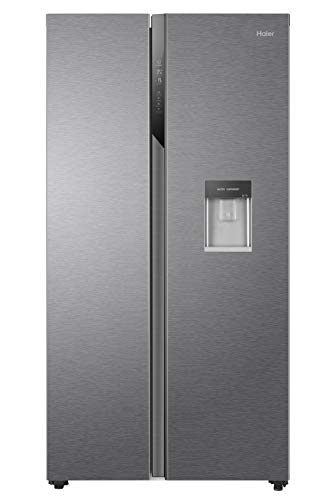
- Side-by-Side Refrigerators: Provides simple access to both freezer and fresh food areas. Helpful for narrow kitchens.
- French Door Refrigerators: Combines the advantages of bottom freezers with side-by-side designs. They often include additional features such as ice and water dispensers.
- Compact Refrigerators: Perfect for small spaces like dorm rooms or workplaces.
3. Energy Efficiency
- Look for energy-efficient designs to save on electrical energy costs. Check the Energy Star label, which shows that the appliance meets or surpasses energy performance requirements.
- Consider the typical yearly energy usage reported in kilowatt-hours (kWh).
4. Features
- Ice and Water Dispenser: Convenient for immediate access to ice and filtered water.
- Smart Technology: Some fridges come equipped with Wi-Fi connectivity that allows you to monitor and change settings from your mobile phone.
- Adjustable Shelves and refridgerators uk Bins: For adjustable storage to accommodate high items.
- Temperature Control Zones: Different areas may have various environment controls for optimal storage of different foods.
5. Rate
- Set a spending plan. Fridge costs can vary from a few hundred to a number of thousand dollars depending on style, size, and features.
- Think about extra costs such as extended warranties, delivery, and installation.
Comparative Table of Popular Fridge Styles
| Fridge Style | Typical Price Range | Pros | Cons |
|---|---|---|---|
| Leading Freezer | ₤ 400 – ₤ 1,200 | Budget-friendly, energy-efficient | Limited features |
| Bottom Freezer | ₤ 900 – ₤ 2,500 | Easy access to fresh food | Can be expensive |
| Side-by-Side | ₤ 600 – ₤ 3,000 | Good company, simple access | Freezer area can be restricted |
| French Door | ₤ 1,200 – ₤ 4,000 | Spacious, elegant, typically feature-rich | Greater rate point |
| Compact | ₤ 150 – ₤ 600 | Space-saving, portable | Minimal storage capability |
Often Asked Questions (FAQs)
1. How long do fridges typically last?
Usually, a well-maintained refrigerator can last around 10 to 20 years. Regular upkeep, such as cleaning the coils and checking door seals, can extend its lifespan.
2. How can I preserve my fridge effectively?
- Keep the coils clean to help keep energy effectiveness.
- Ensure that the door seals are tight to prevent cold air from getting away.
- Regularly thaw (if suitable) and clean the interior to prevent accumulation of germs and odors.
3. Do I need to spend for shipment and installation?
The majority of merchants charge for delivery and installation, however this cost can in some cases be waived during promos. Constantly confirm the charges before finishing your purchase.
4. What should I do if my fridge is not cooling properly?
Start by checking the temperature level settings and ensure the vents are clear of any obstructions. If the problem continues, it may be needed to seek advice from an expert repair work service.
5. How can I determine the size of the fridge I need?
As a general guideline, permit for about 4 to 6 cubic feet of space per person in your family. However, this can differ based on specific cooking and storage habits.
Buying a refrigerator might appear simple, but it needs cautious factor to consider of different aspects. By assessing your requirements and preferences in terms of size, design, features, and energy performance, you’re much better positioned to choose a fridge that will serve your home well for years to come. This guide aims to streamline the complexities involved in fridge shopping, empowering you to make a notified choice that will improve your kitchen experience. Whether you’re upgrading or buying your first system, a little research can lead to a refrigerator that completely fits your way of life and culinary habits.