


Gefriertruhe Mit Ca 300 Liter Nutzinhalt Testsieger 2025
Add a review FollowOverview
-
Founded Date June 25, 2026
-
Sectors Electrician
-
Posted Jobs 0
-
Viewed 3
Company Description
10 Things Everybody Hates About Freezer Energy Efficiency Class C Freezer Energy Efficiency Class C
Understanding Freezer Energy Efficiency Class C: Implications, Benefits, and FAQs
When shopping for a freezer or any significant home appliance, energy efficiency is typically a significant consideration for consumers. Freezers include different energy efficiency ratings, with Class C being one of them. This blog post explores what Class C means, its ramifications for energy usage and expenses, its advantages, and how it compares with other efficiency classes.
What is Energy Efficiency Class C?
Energy efficiency rankings in appliances are determined Side by side kühlschrank schwarz mit wasserspender und eiswürfelbereiter different standards, reflecting how effectively they use electricity. Class C indicates a moderate level of energy efficiency. It falls on the lower end of the energy efficiency scale, which ranges from Class A (the most efficient) to Class G (the least effective).
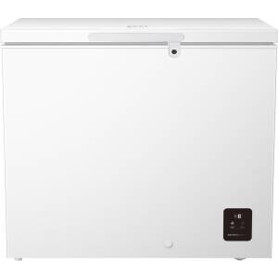
These ratings are generally appointed based on standardized tests measuring the freezer’s energy usage over a specific duration. Class C appliances consume more energy than Classes A and B, making them less beneficial in regards to operational expenses and ecological impact.
Energy Efficiency Class Ratings Overview
| Energy Class | Yearly Energy Consumption (kWh/year) | Description |
|---|---|---|
| A+++ | ≤ 120 | Most effective |
| A++ | 121-150 | Extremely efficient |
| A+ | 151-200 | Efficient |
| A | 201-250 | Acceptable efficiency |
| B | 251-300 | Average efficiency |
| C | 301-350 | Moderate efficiency |
| D | 351-400 | Second-rate |
| E | 401-450 | Poor efficiency |
| F | 451-500 | Extremely poor efficiency |
| G | ≥ 500 | Least efficient |
Ramifications of Class C Freezers
While Class C freezers are designed to offer adequate efficiency for the majority of household needs, there are a few crucial implications to think about:
-
Energy Consumption: A Class C freezer consumes more energy than more efficient models, causing higher energy bills gradually.
-
Ecological Impact: With increased energy usage comes a greater carbon footprint. Consumers worried about environmental effect might choose more energy-efficient options.
-
Longevity and Maintenance: Class C appliances might not constantly hold up as well as their more effective counterparts, leading to possible upkeep and replacement costs.
-
Cost Considerations: The lower upfront cost of a Class C freezer can be appealing. Still, it is crucial to think about long-lasting expenditures connected to energy intake that might surpass any initial savings.
Advantages of Class C Freezers
While Class C freezers might not be the most energy-efficient option, they have their advantages:
-
Lower Initial Cost: Class C appliances tend to have lower purchase prices, making them more available upfront for budget-conscious consumers.
-
Appropriate for Light Use: For customers with very little freezing needs– such as those who only freeze small quantities of food– Class C freezers offer adequate efficiency without unneeded features.
-
Accessibility: Class C models may be more easily offered in particular markets, providing options for customers who might not discover higher-rated models accessible.
-
Simplicity: Many Class C freezers feature straightforward styles and performance, making them easy to use without the complexities of higher-end designs.
Comparisons with Energy Efficiency Classes
Class C freezers stand at a crossroads of efficiency. Here’s how they compare with other classes:
- Class A: Offers remarkable energy efficiency with lower operational expenses.
- Class B: Represents a balance in between efficiency and affordability but still outshines Class C in energy consumption.
- Class D: While offering some benefits over Class C, such models consume substantially more energy.
A Comparative Table
| Energy Class | Benefits | Downsides |
|---|---|---|
| A | Greatest efficiency; low costs | Greater preliminary purchase cost |
| B | Good balance; moderate cost | Moderate energy consumption |
| C | Lower upfront cost; simpleness | Higher energy costs, ecological issues |
| D | Typically less expensive than C | Considerable energy consumption |
| E-G | Budget plan alternatives available | Poor energy efficiency; high functional costs |
Typical FAQs About Freezer Energy Efficiency Class C
Q1: How much more does a Class C freezer cost to run annually compared to a Class A?A: A Class C freezer might cost around 20-30% more to run every year compared to a Class A. For a detailed cost analysis, dividing the annual kWh usage of both designs by the regional energy rate can provide a clearer image.
Q2: Are there any refunds or rewards for purchasing energy-efficient appliances?A: Yes, many local and national programs offer rewards for purchasing A or B ranked appliances. Consult regional utility business or federal government programs for information. Q3: Is it possible to enhance the energy efficiency of a Class C
freezer?A: Yes, routine upkeep such as cleaning coils, organizing products to permit proper airflow, and making sure door seals are tight can assist enhance efficiency. Q4: Can I convert my existing Class C freezer to be more energy efficient?A: While you can’t convert an existing freezer class, you can carry out energy-saving practices, such as keeping the freezer complete (however not overcrowded)and adjusting the temperature setting. Q5: Would it be much better to buy a higher class freezer for long-term savings?A: Generally, purchasing a higher-rated freezer( Classes A or B) can result in long-lasting savings due to lower energy
expenses. This likewise promotes ecological sustainability. Class C freezers supply a feasible
option for customers looking for affordability without requiring extensive freezing needs. Nevertheless, weighing the total expense of ownership and environmental effects is vital for making a notified decision. Whether opting for a Class C model or considering more effective variations, understanding energy consumption is paramount in today’s eco-conscious society. By making proactive options, customers can take pleasure in the benefits of their freezers while contributing to sustainable living practices.