


Hobelmaschinen Online Kaufen
Add a review FollowOverview
-
Founded Date September 23, 1988
-
Sectors Fitter
-
Posted Jobs 0
-
Viewed 1
Company Description
Three Reasons Why 3 Reasons Why Your Planing Machines For Woodworking Projects Is Broken (And How To Repair It)
Planning Machines for Woodworking Projects: A Comprehensive Guide
Woodworking is an art that combines imagination with technical abilities, and having the right tools is essential for any woodworker, whether they are a newbie or an experienced professional. Among the most important tools in a woodworker’s arsenal is the planning maker, often described as the planer. This article explores the different types of preparing machines readily available for Günstige Hobelmaschinen woodworking projects, their functions, advantages, and how to choose the ideal one, all while answering some often asked questions about preparing machines.
What is a Planing Machine?
A preparation device, or planer, is a gadget used to shape and smooth wood surfaces. It works by removing material from the surface of the wood, permitting users to accomplish the wanted thickness and flatness. Planers are essential for preparing rough sawn lumber for more processing and ending up.
Types of Planning Machines
Below is a table summarizing the various kinds of preparing machines frequently used in woodworking:
| Type of Planer | Description | Best For |
|---|---|---|
| Hand Planer | A manual tool that requires human effort to operate. | Little projects, fast touch-ups. |
| Electric Planer | A powered variation of the hand planer. | Medium-sized projects, DIY tasks. |
| Density Planer | A stationary machine that consistently eliminates product. | Bigger projects where consistent thickness is essential. |
| Bench Planer | A portable or bench-mounted gadget ideal for numerous wood sizes. | On-site tasks and workshops. |
| Jointers | Mostly utilized to flatten one face and edge of a board. | Preparing boards for edge gluing. |
Features to Consider
When picking a planing device, consider the following features:
-
Motor Power: The wattage of the motor affects the planer’s effectiveness and the thickness of the product it can manage.
-
Cutting Width: The maximum width of the product the planer can manage is vital for larger pieces.
-
Table Size: A bigger table can offer much better stability when planing longer boards.
-
Dust Collection: An incorporated dust collection system can keep the workspace cleaner and enhance visibility.
-
Adjustable Depth Adjustment: Precise depth change tools allow much better control over product elimination.
Advantages of Using Planning Machines
Making use of a preparation device has several advantages for woodworking projects:
-
Saves Time: Planing machines can rapidly and efficiently smooth wood surfaces, accelerating the total job timeline.
-
Constant Results: They supply a consistent surface and density, which is vital for high-quality woodworking.
-
Decrease of Labor: Compared to manual planing, machines substantially decrease physical stress and labor time.
-
Adaptability: Modern preparing machines can manage different products, leading the way for more creative woodworking projects.
Tips for Using a Planing Machine
For ideal results when using a planning machine, here are some pointers:
- Planing Technique: Always keep the wood moving through the planer at a constant speed.
- Routine Maintenance: Clean blades and tables routinely to avoid accumulation, making sure ideal efficiency and safety.
- Material Preparation: Ensure wood is without nails or foreign products that could harm the blades.
- Test Cuts: Before planing your final piece, conduct a test cut on scrap wood to examine your settings.
FAQ About Planning Machines
Q1: Can I utilize a planer on hardwood?
A1: Yes, planers are designed to manage different types of wood. Nevertheless, ensure your planer’s motor is effective enough for dense hardwood to prevent straining the tool.
Q2: What’s the difference between a density planer and a jointer?
A2: A density planer is developed to consistently minimize the density of a board, while a jointer is used specifically to flatten one face and correct edges, which is important for preparing boards for edge gluing.
Q3: How frequently should I sharpen planer blades?
A3: It depends on use, however generally, you need to inspect blades after every couple of projects. Dull blades can cause tear-out and irregular surfaces.
Q4: Is it needed to buy a high-end coordinator for DIY projects?
A4: It depends upon the frequency and scale of your projects. For occasional home enhancement jobs, a mid-range electric planer might be adequate. Nevertheless, professionals or passionate woodworkers may discover that buying a higher-end design saves them effort and time.
Q5: Can I use a hand planer rather of a power planer?
A5: Absolutely! Hand planers are reliable for smaller sized areas, in-depth work, or entering tight spots. Nevertheless, they require more physical effort and take longer.
In conclusion, preparing machines are a cornerstone of efficient woodworking, providing essential functions that can conserve time and improve workmanship. Whether you are a hobbyist looking to enhance your abilities or a professional requiring the best equipment, comprehending the various types and functions of planning machines can assist in making an educated option.
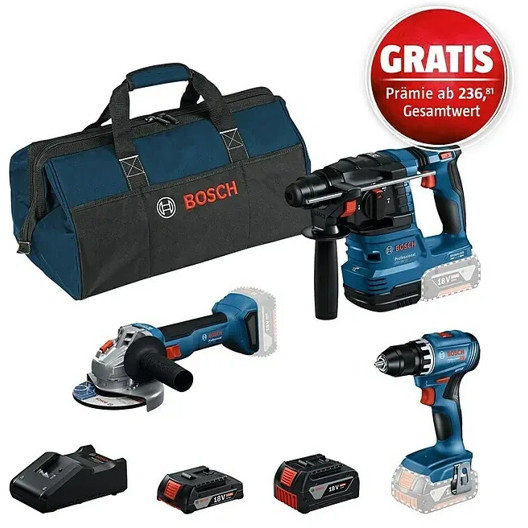
With this guide, woodworkers can browse the selections of planers effectively, understanding that the best tool can elevate their woodworking projects to new heights. Keep in mind, the option of a planing device eventually depends on specific requirements, job scale, and budget. Pleased woodworking!
With the best planning device, each woodworking task can be approached with confidence, ensuring quality and workmanship in every piece developed.