


Hobelmaschinen Online Kaufen
Add a review FollowOverview
-
Founded Date October 7, 2016
-
Sectors Seaman
-
Posted Jobs 0
-
Viewed 38
Company Description
10 Wrong Answers To Common Electric Planing Machines Questions Do You Know The Right Answers?
Understanding Electric Planing Machines: A Comprehensive Guide
Electric planing machines are essential tools in woodworking, offering effectiveness, precision, and versatility. Whether for professional woodworkers or DIY lovers, understanding these machines can significantly improve your workmanship. This guide dives into the intricacies of electric planing machines, including their functions, benefits, types, and upkeep tips, and answers typical concerns.
What is an Electric Planing Machine?
An electric planing maker, frequently referred to as an electric planer, is a power tool utilized to smooth, flatten, and decrease the thickness of wood surfaces. It operates utilizing a sharp rotating blade that slashes off the wood, producing a smooth finish. Electric planers are utilized for various applications, such as preparing timber, creating joints, and adjusting the thickness of workpieces.
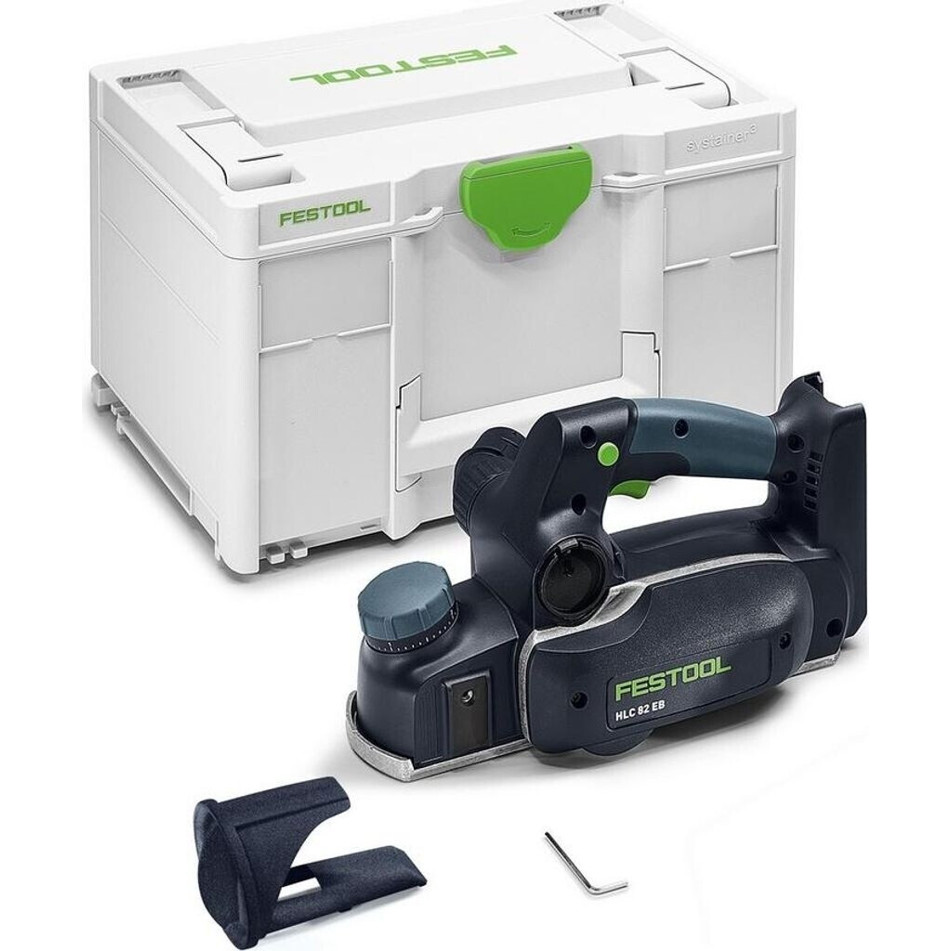
Key Features of Electric Planing Machines
Electric planers feature different functions that enhance their performance and user-friendliness. Below is a table summarizing a few of these key features:
| Feature | Description |
|---|---|
| Power | Usually varies from 600 to 1500 watts, influencing efficiency. |
| Corded vs. Cordless | Corded planers appropriate for constant usage, while cordless models offer mobility. |
| Depth Adjustment | Permits users to change just how much product is removed with each pass. |
| Slicing Blades | Normally includes double-sided or reversible blades for extended use. |
| Dust Collection | Integrated vacuum ports or dust bags to keep the workspace tidy. |
| Weight | Normally lightweight (3– 7 kg) for easy handling, though this can vary by design. |
| Safety Features | Protecting mechanisms and electronic brakes for Hobelmaschinen-Auswahl boosted user security. |
Kinds Of Electric Planing Machines
Electric planers come in a number of types, each matched for specific tasks. Here are the most common types:
-
Handheld Electric Planer:
- Description: Compact and portable, developed for light to moderate planing tasks.
- Use: Ideal for trimming doors, leveling joints, and surface area smoothing.
-
Benchtop Planer:
- Description: Larger and more powerful; normally repaired to a workbench.
- Use: Suitable for milling larger pieces of wood with uniform density.
-
Density Planer:
- Description: Designed to prepare wood to a particular density.
- Usage: Common in woodworking purchase processing lumber.
Advantages of Using Electric Planing Machines
Electric planers offer many benefits over conventional hand planers:
- Speed: Electric planers are substantially quicker, enabling users to complete projects in a portion of the time.
- Precision: Equipped with adjustable depth settings, they ensure consistent and accurate material removal.
- Uncomplicated Operation: Reduced physical stress compared to manual planing, permitting for more prolonged periods of work without fatigue.
- Versatility: Suitable for different tasks, from basic smoothing to more intricate shaping and jointing.
Maintenance Tips for Electric Planing Machines
Maintaining an electric planer guarantees durability and ideal performance. Here are some important upkeep tips:
- Regular Cleaning: Remove sawdust and particles from the planer after each usage to prevent clogging.
- Blade Maintenance: Sharpen or replace blades when they end up being dull to preserve cutting performance.
- Check Electrical Components: Regularly check the cord and plug for damage to guarantee safety.
- Lubrication: Ensure moving parts, specifically the depth modification mechanism, are effectively lubricated.
- Storage: Store the maker in a dry location and safeguard it from moisture to prevent rusting.
Regularly Asked Questions (FAQs)
1. Can I use an electric planer on hardwood?Yes, electric
planers can effectively be utilized on hardwood, however make certain to use sharp blades and adjust the depth effectively to avoid straining the motor.
2. How thick of a cut can I take with an electric planer?Most electric planers allow depth modifications varying from 0.1 mm to 3 mm per pass. Always refer to the producer’s guidelines. 3. Is it worth purchasing a high-end electric planer?A high-end electric planer often includes sophisticated functions, better sturdiness, and exceptional performance. If you plan on utilizing it regularly for in-depth projects, it might be a worthwhile investment. 4. Can I utilize an electric planer for soft products like plastic or foam?While primarily created for wood
, some electric planers can cut softer products as long as they are sharp and set to the right depth. However, it is recommended to consult the producer’s instructions to avoid damage. 5. How do I repair if my electric planer is not cutting properly?Check the blade sharpness, make sure correct depth modification, and inspectthe motor function. If problems continue, consult the user manual or get in touch with a professional. Electric planing machines are essential tools that raise the woodworking experience. By comprehending their functions, the types offered, and how to keep them,
woodworkers can improve their craft while ensuring security and efficiency. Whether you are just starting or wanting to upgrade your toolset, purchasing the best electric planer can make a decisive difference in the quality of your work. By staying informed about electric planers and following the very best practices set out in this guide, woodworkers can not only conserve time but likewise achieve extraordinary lead to their woodworking projects.