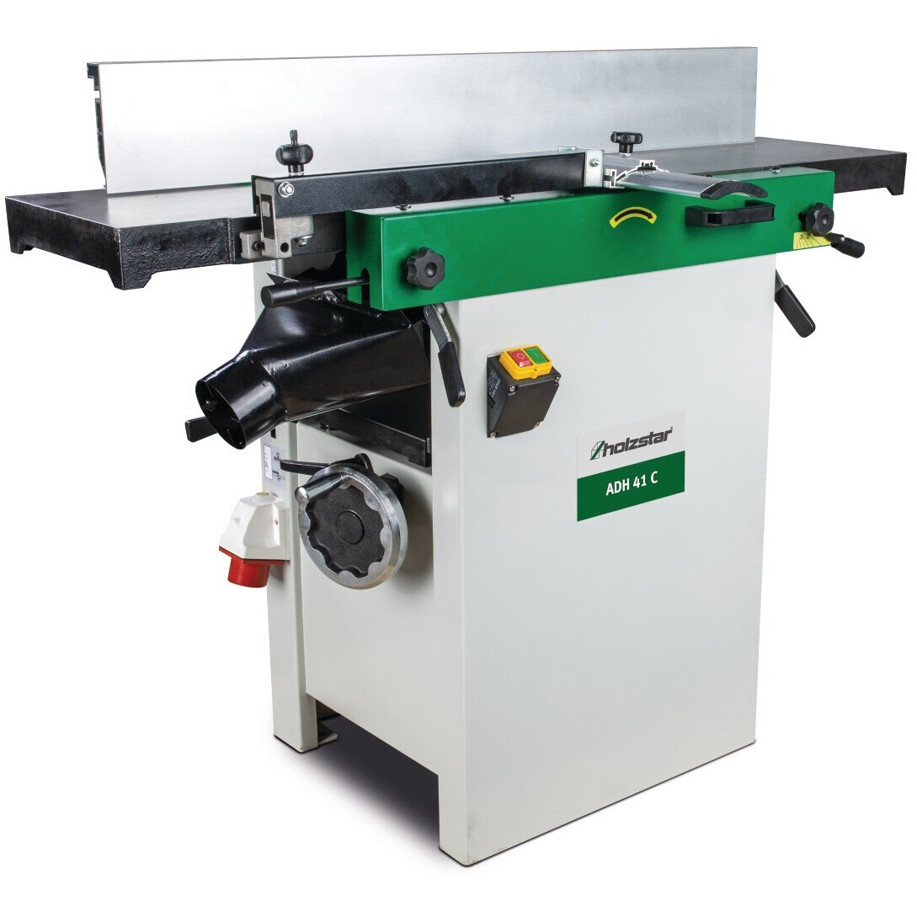
Hobelmaschinen Zum Besten Preis
Add a review FollowOverview
-
Founded Date April 28, 1975
-
Sectors Second Officer / Second Mate
-
Posted Jobs 0
-
Viewed 2
Company Description
Why We Love Professional Planing Machines (And You Should Also!)
Professional Planing Machines: An In-Depth Overview
Professional planing machines are important tools in woodworking and metalworking markets. They supply a level of precision and effectiveness that can substantially enhance the quality of finished products. This post will explore the functions, Planing Machines Types advantages, types, and applications of professional planing machines, in addition to an extensive FAQ area to address typical queries.
What is a Professional Planing Machine?
A professional planing machine, typically referred to as a thicknesser or planer, is a maker utilized to cut wood to a constant thickness. It is developed to smooth rough or unequal surface areas and help in the preparation of materials for further processing. These machines come in different sizes and setups to deal with the needs of different projects, from little home workshops to large-scale industrial operations.
Secret Features of Professional Planing Machines
| Function | Description |
|---|---|
| Motor Power | Varieties from 1.5 HP to 5 HP or more, depending on the machine’s capability and intended usage. |
| Cutting Width | Generally varies from 12 inches to 25 inches, accommodating different wood sizes. |
| Basket Design | Can be open or closed, impacting dust collection and general performance. |
| Planer Blades | Available in numerous types (HSS, carbide-tipped) for different types of wood and thicknesses. |
| Feed Speed | Adjustable feed speeds for different wood types and quality surfaces, typically varying from 20 to 40 feet per minute. |
| Digital Readouts | Advanced models come with digital screens for Elektrische Hobelmaschinen Mit Garantie – https://hack.allmende.io/s/7N31H1S48 – exact density changes and easier operation. |
Benefits of Using Planing Machines
-
Precision and Accuracy: Professional planing machines allow users to attain constant measurements and smooth surfaces, which is critical in woodworking projects.
-
Time-Saving: These machines can quickly process large batches of lumber, considerably lowering manual labor and production time.
-
Adaptability: Many models are equipped to handle a variety of products, including different types of wood, composites, and, Elektrische Hobelmaschinen in many cases, metals.
-
Ease of Use: With easy to use controls and adjustable settings, even newbie woodworkers can accomplish professional outcomes.
-
Durability: Designed for industrial usage, these machines are developed to hold up against continuous operation, Hobelmaschinen making them a dependable financial investment for professionals.
Types of Professional Planing Machines
Professional planing machines can be categorized into different types based upon their style and performance. Here’s a list of the most common types:
1. Stationary Planers
- Description: Fixed machines ideal for workshops needing durable efficiency.
- Use: Suitable for large boards and high-volume production.
2. Portable Planers
- Description: Lightweight and simple to transfer, these are ideal for onsite projects.
- Use: Great for homeowners or little contractors who need flexibility.
3. Thicknessers
- Description: Specifically created for achieving an uniform thickness.
- Use: Perfect for Hobelmaschinen Zum Besten Preis preparing wood for furniture making or cabinetry.
4. CNC Planers
- Description: Computer Numerical Control machines that automate planing processes.
- Use: Optimal for large-scale production settings where precision is crucial.
Applications of Planing Machines
Professional planing machines find applications in numerous sectors, consisting of:
- Furniture Manufacturing: Ensuring boards are the best density and have smooth surface areas for joints.
- Cabinetry: Preparing products to satisfy strict market standards for aesthetic appeals and fit.
- Custom-made Woodworking: Facilitating unique, bespoke projects that require specialized dimensions.
- Flooring Production: Sizing and finishing lumber for hardwood or engineered floor covering.
Contrast Table of Planing Machines
| Type | Pros | Cons | Perfect For |
|---|---|---|---|
| Fixed Planers | High capability, precision, resilience | Costly, heavy, needs dedicated space | Large workshops |
| Portable Planers | Lightweight, cost-effective, flexible | Lower capacity, may do not have innovative features | Home projects, little contractors |
| Thicknessers | Uniform thickness, professional surface | Restricted to density operations just | Furniture makers, kitchen cabinetry |
| CNC Planers | High precision, automates repetitive jobs | High initial investment, requires training | Mass production, complicated styles |
Operating a Professional Planing Machine
To safely and effectively use a professional planing maker, users ought to follow numerous crucial steps:
- Choose the Right Machine: Assess job requirements and select a machine that fits the wanted thickness and material type.
- Establish Properly: Ensure the device is on a steady surface area which all security features are engaged.
- Change the Thickness: Use digital readouts or manual changes to set the desired thickness.
- Feed Wood Properly: Always feed wood in the direction of the grain to avoid tear-out.
- Regular Maintenance: Keep blades sharp and perform regular checks according to the producer’s standards.
Frequently asked question Section
Q1: How do I choose the best planing maker for my requirements?
A1: Consider aspects like the kinds of projects you carry out, the volume of wood you work with, and your budget. Stationary machines are ideal for big workshops, while portable models work better for home projects.
Q2: How often should blades be altered?
A2: Blades need to be sharpened or replaced based upon use. Indications of dull blades include rough surfaces and burn marks on the material.
Q3: Is it essential to utilize dust collection systems with planers?
A3: Yes, utilizing a dust collection system enhances safety by minimizing air-borne particles and improves the quality of the work area.
Q4: Can I utilize a planer on other materials besides wood?
A4: Some planers are designed to handle composites or thin metals, but it’s essential to seek advice from the manufacturer’s guidelines to prevent damage.
Q5: What safety precautions should I take?
A5: Always wear security goggles and ear security, keep hands clear of cutting locations, and never eliminate guards while the maker is running.
Professional planing machines are important tools in the woodworking and metalworking markets. Their ability to produce precision cuts, conserve time, and boost the quality of finished items makes them a deserving financial investment for professionals and enthusiasts alike. Understanding the different types, their applications, and operating procedures will empower users to maximize the capacity of these machines while ensuring security and performance in their work environments.