


Hobelmaschinen Zum Besten Preis
Add a review FollowOverview
-
Founded Date October 24, 1969
-
Sectors First Engineer (Shipyard and Design)
-
Posted Jobs 0
-
Viewed 2
Company Description
The No. One Question That Everyone Working In Planing Machines Types Must Know How To Answer
Understanding Planning Machines: Types, Functions, and Applications
Preparation machines have actually been pivotal in the manufacturing and metalworking industries for years. They are essential for forming and smoothing products, particularly metals, with precision and uniformity. This post delves deep into the various types of planning machines, their functions, and applications.
What are Planning Machines?
Preparation machines, typically referred to as planers, are tools utilized for converting materials by removing excess material to create a wanted shape. These machines operate on the principle of linear movement, where the cutting tool is fixed in a particular position and the workpiece is returned and forth past the tool. Their primary role is to produce flat surfaces, grooves, and various profiles on products such as metal, wood, and plastics.
Kinds Of Planning Machines
Understanding the various types of planning machines can substantially boost their selection and application in various industries. Below, we explore the numerous kinds of preparing machines, categorized based on their style and performance.
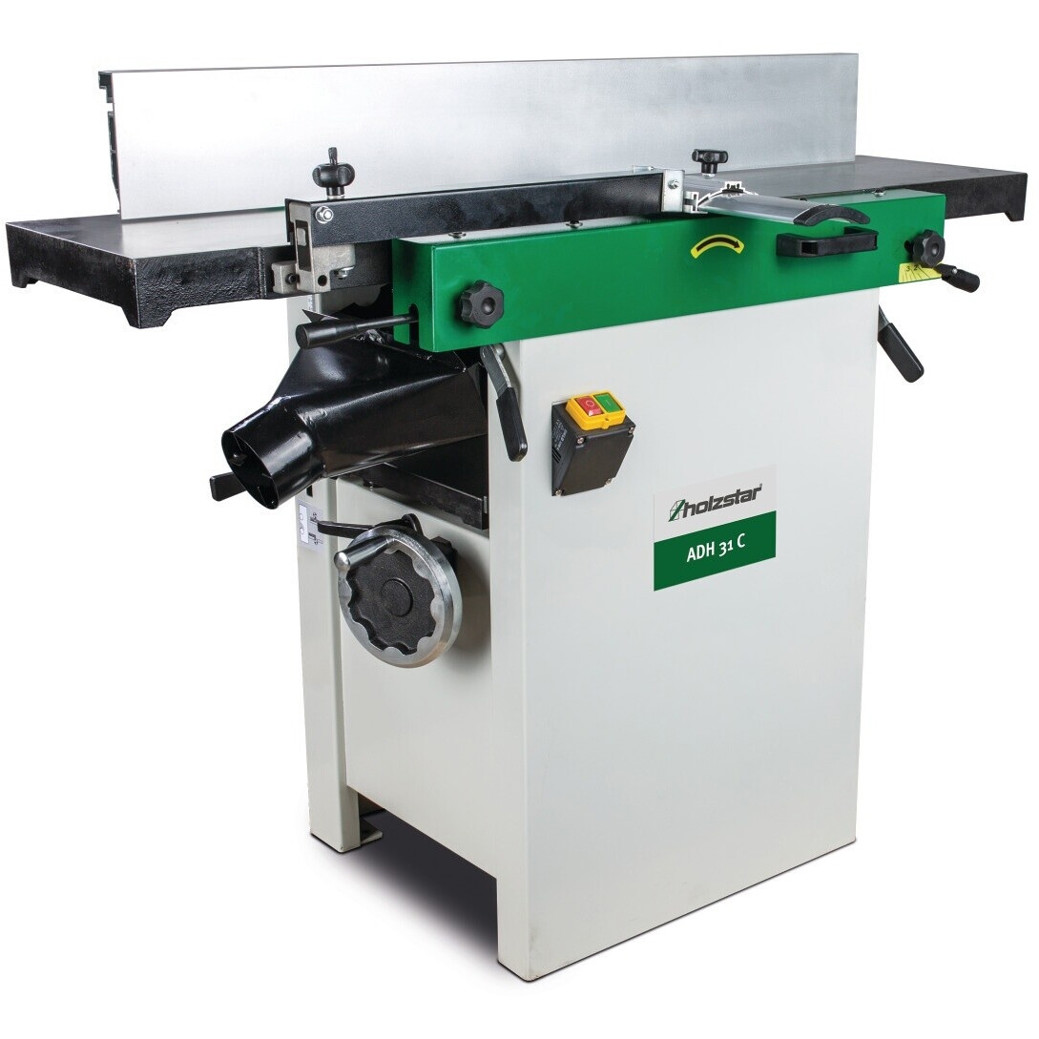
1. Horizontal Planers
Horizontal planers are amongst the most common types of planning machines. They run on a horizontal aircraft, making them ideal for a wide variety of applications.
| Function | Description |
|---|---|
| Cutting Action | Horizontal, direct motion of the workpiece |
| Applications | Flat surface areas, depth cuts, and profiles |
| Material Compatibility | Metals, wood, and some plastics |
2. Vertical Planers
As the name suggests, vertical planers have a vertical orientation. These machines are usually used for smaller workpieces and extremely comprehensive jobs.
| Function | Description |
|---|---|
| Cutting Action | Vertical movement of the workpiece |
| Applications | Ending up operations, relief cuts |
| Material Compatibility | Metal, soft products, plastic |
3. Universal Planers
Universal planers are equipped with the capability to turn the workpiece. This permits for numerous geometrical shapes and profiles to be machined.
| Function | Description |
|---|---|
| Cutting Action | Flexible cutting courses with rotational ability |
| Applications | Complex profiles and designs, jigs |
| Product Compatibility | Metals, woods of numerous densities |
4. Planer Types Based on Operation
-
Mechanical Planer: These are powered by mechanical systems, typically driven by an electric motor. They are robust and frequently utilized in heavy industries.
-
Hydraulic Planer: These use hydraulic systems to operate the cutting tool. This type offers much better control and is frequently utilized for precision machining.
5. Mix Planers
These machines combine both horizontal and vertical preparation capabilities. They are multifunctional and can handle a variety of machining tasks, making them versatile in workshops and factories.
| Feature | Description |
|---|---|
| Cutting Action | Several cutting orientations offered |
| Applications | Multitasking, machining elaborate designs |
| Product Compatibility | Large range from soft materials to tough alloys |
Applications of Planning Machines
The flexibility of preparing machines makes them crucial in numerous industries. Below are some of the primary applications:
1. Manufacturing Sector
- Precision Engineering: Essential for Planing machines store creating parts that require tight tolerances.
- Automotive Production: Used in the fabrication of engine blocks and other parts.
2. Woodworking
- Furniture Industry: Employed to produce smooth surface areas and detailed patterns.
- Cabinet Making: Ideal for producing flat panels and profiles.
3. Aerospace
- Element Fabrication: Useful in making light-weight, strong parts for airplane.
4. Device Manufacturing
- Family Items: Used thoroughly Hobelmaschinen In Meiner Nähe creating home appliances like refrigerators and washing machines.
Benefits of Using Planning Machines
- Precision: Deliver accurate measurements and uniformity throughout batches.
- Adaptability: Capable of handling various materials and complicated shapes.
- Performance: Streamlined procedures that considerably reduce manual work.
- Toughness: Built to last, planning machines can hold up against heavy use.
Maintenance Tips for Planning Machines
- Regular Lubrication: Keeps the moving parts functioning smoothly.
- Routine Cleaning: Removes debris and metal shavings that can impede performance.
- Alignment Checks: Regularly make sure that components are lined up correctly to keep precision.
- Evaluation: Frequently examine for wear and Tragbare hobelmaschinen tear, changing parts as needed.
Regularly Asked Questions (FAQs)
1. What materials can planning machines deal with?
Preparation machines can work with a range of products, including metals (steel, aluminum), wood, and some plastics, depending upon the type of device and tooling used.
2. How do I pick the best organizer for my needs?
Picking the best planner depends upon a number of aspects, consisting of the kind of product you are dealing with, the precision required, the size of your workpieces, and Electric Planing Machines whether you require a single function or multi-functional device.
3. What security steps should I take when operating planning machines?
Always use suitable security devices, including safety glasses and gloves. Ensure your work space is organized and totally free from threats, and always keep hands and Manuelle Hobelmaschinen, pad.stuve.Uni-Ulm.de, other body parts away from moving parts.
4. Can preparing machines be used for machining complex shapes?
Yes, while conventional planers are matched for flat surfaces, specific types like universal and mix planers can handle more complex styles and profiles.
5. What is the difference between a planer and a thicknesser?
Although both machines are utilized in woodworking, an organizer mostly smooths and flattens surfaces while a thicknesser decreases the thickness of the product to an uniform size.
Planning machines play a vital role in numerous industrial processes, offering precision, effectiveness, and versatility. By comprehending the different kinds of planning machines and their applications, makers can make informed options regarding equipment selection, ultimately causing enhanced efficiency and quality. As technology advances, these machines will likely progress, but their basic concepts and value in the machining market will stay steadfast. Exploring the ever-expanding possibilities of preparing device applications will be crucial for specialists intending to excel in their particular fields.