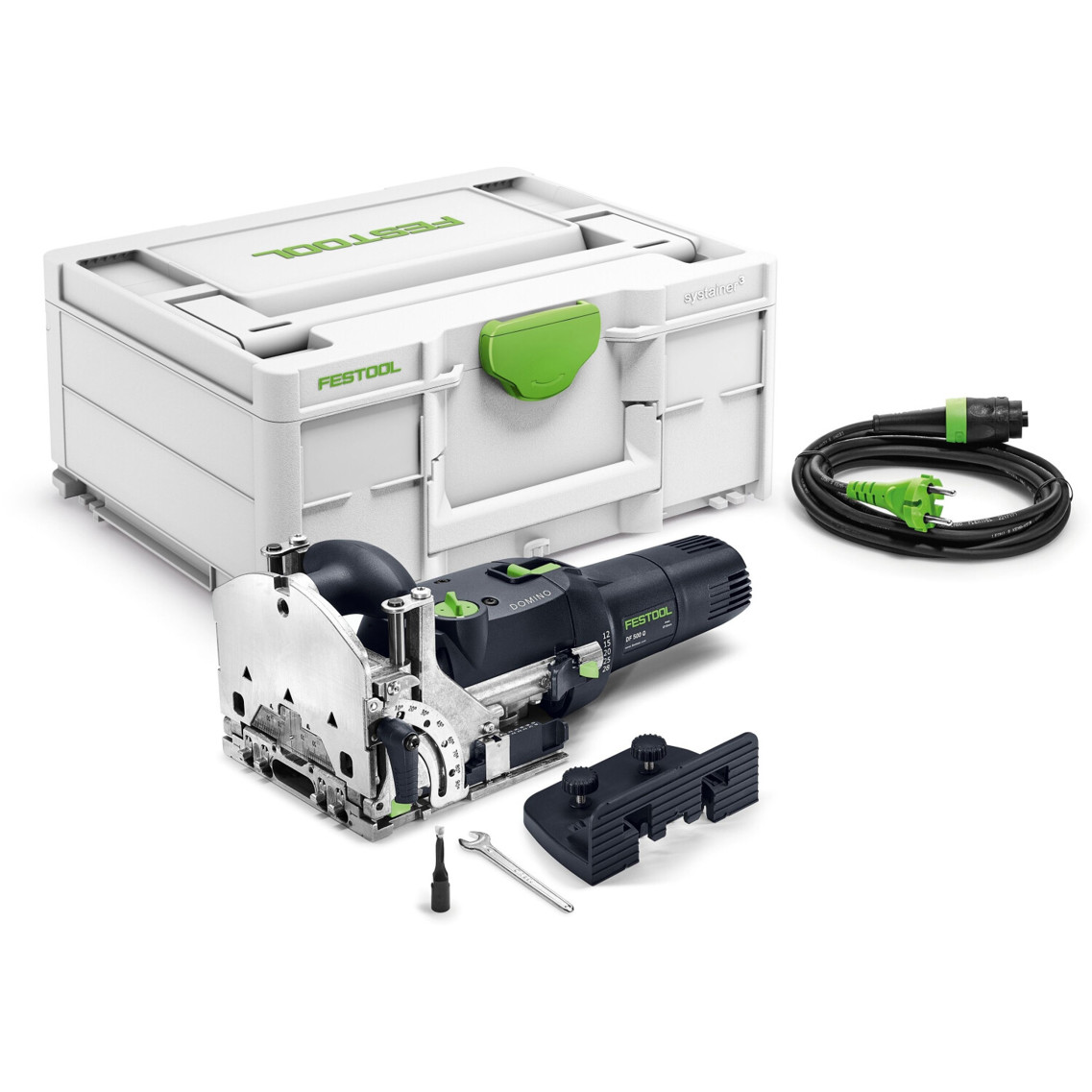
Mauernutfräse Für Stahlbeton Mit Diamantscheiben Angebot
Add a review FollowOverview
-
Founded Date October 22, 1964
-
Sectors Deck Cadet
-
Posted Jobs 0
-
Viewed 4
Company Description
7 Things You Didn’t Know About Wall Chaser Test
Wall Chaser Test: A Comprehensive Guide to Performance and Efficiency
Wall chasers have ended up being important tools in modern building and construction and renovation projects, designed to produce channels in walls for electrical circuitry, piping, or ductwork. As DIY lovers and professional contractors seek efficiency and precision in their work, it’s crucial to assess the efficiency of these tools through an extensive wall chaser test. This post dives deep into the mechanics, efficiency elements, and results of wall chaser tests, providing insights that would benefit anybody considering this tool for their tasks.
What is a Wall Chaser?
A wall chaser is a specific power tool that allows users to produce narrow slots or grooves in walls. Generally, these slots were chiselled by hand, but wall chasers streamline this procedure substantially. They work by employing diamond blades to cut through masonry, concrete, or brick, enabling seamless setups of electrical channels and piping.
Features of Wall Chasers
Before we dive into the wall chaser test itself, it is important to understand the features that separate these tools.
| Function | Description |
|---|---|
| Blade Size | Typically varies from 110mm to 230mm |
| Cutting Depth | Adjustable, generally up to 30mm |
| Power Rating | Frequently between 1400W to 2400W |
| Weight | Varies, generally from 3 kg to 6 kg |
| Dust Extraction | Lots of designs consist of dust ports or built-in extraction systems |
| Tool Speed | RPM varieties from 8,000 to 12,000, making sure quick, tidy cuts |
The Importance of Wall Chaser Testing
When thinking about a wall chaser for purchase or usage, comprehending how it measures up versus its competitors in real-life scenarios is vital. Consequently, wall chaser tests aim to assess:
- Cutting Efficiency
- Relieve of Use
- Dust Management
- Toughness
- Sound Levels
Cutting Efficiency
One of the most critical aspects of a wall chaser is its capability to create tidy and precise cuts. Throughout screening, the following criteria are monitored:
- Speed of Cutting
- Quality of Cut (Smooth vs. Rough)
- Consistency over Multiple Cuts
Outcomes can vary depending on the type of wall product being cut. For instance, concrete might take longer to cut compared to drywall.
Alleviate of Use
An user-friendly wall chaser will have features that facilitate operation, consisting of:
- Weight Balance: Better balance means decreased fatigue throughout extended use.
- Grip Design: Ergonomically created grips lower stress on the hands.
- Adjustable Depth Control: Provides versatility for differing project requirements.
Dust Management
Efficient dust management is crucial in maintaining a clean work environment and ensuring user health. Features evaluated in this classification consist of:
- Built-in Dust Extraction Systems
- Performance of Dust Collection
- Quantity of Dust Produced During Operation
Sturdiness
Wall chasers must be robust enough to withstand akku Werkzeuge für heimwerker the rigors of building and construction work. Testing will involve:
- Material Used in Construction
- Performance under Heavy Use
- Use on Blades and Components
Noise Levels
Power tools can produce substantial noise, so measuring decibel levels throughout operation is essential. Tools fulfilling industry standards for sound would be more suitable to make sure a more secure working environment.
Wall Chaser Test Results Overview
Here’s a summarized table of a hypothetical wall chaser test carried out on 4 popular models offered in the market:
| Model | Cutting Efficiency | Reduce of Use | Dust Management | Toughness | Sound Level (dB) |
|---|---|---|---|---|---|
| Model A | Excellent | Excellent | Fair | Excellent | 85 |
| Model B | Good | Outstanding | Excellent | Great | 78 |
| Design C | Fair | Fair | Good | Fair | 90 |
| Design D | Exceptional | Excellent | Good | Excellent | 82 |
Analysis
- Design A shines in cutting performance and Akku Set 18V 5Ah Angebot (Opensourcebridge.Science) durability however produces a higher sound level.
- Model B is an ergonomic option with exceptional dust management.
- Design C, while less effective overall, might suit users with periodic needs.
- Model D supplies a balance of efficiency and sound decrease.
FAQ on Wall Chasers
1. Can a wall chaser be utilized on drywall?Yes, wall chasers can
be used on drywall, but care needs to be required to prevent overcutting, which can cause uneven edges. 2. How deep can a wall chaser cut?Most wall chasers
can cut up to 30mm deep, however this varies based upon the model. 3. Do I need particular blades for various materials?Absolutely! Diamond bladesare advised for masonry and concrete, while specialized blades are offered for softer materials like drywall. 4. Is dust management crucial when utilizing a wall chaser?Yes, reliable dust management is important for health and can impact
presence and the total work environment. 5. How do I maintain my wall chaser?Regular cleaning and ensuring blades are sharp will help maintain efficiency. Store in a dry location to avoid rust and Mauernutfräse test damage.
The wall chaser stays an important tool for modern construction and remodelling projects. By understanding its features, performance qualities, and necessary testing parameters, users
can make educated decisions when selecting a wall chaser that matches their requirements. The insights gathered from efficiency testing not only boost the effectiveness of the tool however also contribute to safer and more efficient project execution. If you’re thinking about investing in a wall chaser, remember to weigh all the functions and Stationäre Hobelmaschine Test results we have actually talked about. Pleased chasing!