


Where Can I Buy Counterfeit Money Online
Add a review FollowOverview
-
Founded Date September 13, 1978
-
Sectors Maintenance Engineer (Chief Engineer)
-
Posted Jobs 0
-
Viewed 2
Company Description
What’s The Current Job Market For Order Undetectable Counterfeit Money Professionals Like?
The Dark Side of Counterfeit: The Reality of Undetectable Counterfeit Money
In today’s digital age, the idea of counterfeit money has actually evolved. What was when a concern of badly crafted paper bills and crude techniques has now offered method to the elegance of technology that can produce undetectable counterfeit currency. This blog site post aims to explore the world of counterfeit money, focusing on undetectable techniques, the implications of this dark industry, and the procedures being put in place to fight it.
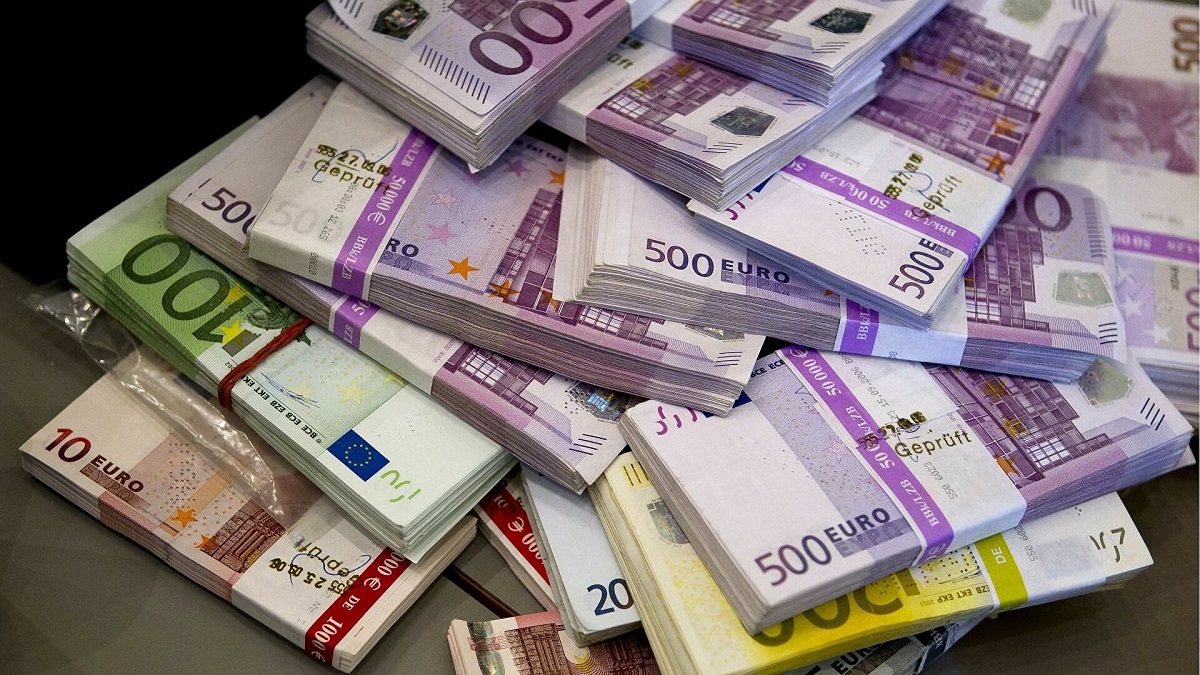
Understanding Counterfeit Money
Counterfeit money refers to fake currency made with the intent to deceive people and companies into accepting it as genuine. The production of counterfeit currency is illegal and can lead to serious legal repercussions. The sophistication of counterfeit strategies has actually increased dramatically, making it challenging for both the general public and authorities to distinguish in between real and fake notes.
Secret Features of Real Currency
To comprehend how counterfeiters operate, here are a few of the crucial features that distinguish real currency from fake:
| Feature | Description |
|---|---|
| Watermark | A visible image that can be seen when held up to light |
| Microprinting | Little text that is hard to read with the naked eye |
| Holograms | Images that change when viewed from different angles |
| Color-shifting Ink | Ink that alters color when seen from numerous angles |
| Security Thread | A small strip embedded in the note that is partly noticeable |
| UV Features | Elements visible just under ultraviolet light |
Understanding these features is vital for recognizing counterfeit notes.
The Rise of Undetectable Counterfeit Money
Utilizing sophisticated printing techniques and digital innovation, some counterfeiters are now able to produce money that is almost impossible to spot. Here are some key techniques utilized in the creation of undetectable counterfeit money:
1. High-Resolution Printing
Counterfeiters make use of high-resolution printers efficient in producing complex designs and patterns that closely mimic real currency.
2. Specialty Paper
Rather of normal paper, counterfeiters are utilizing specialized paper that simulates the feel and weight of genuine currency.
3. Digital Editing
Tools like Photoshop enable counterfeiters to thoroughly modify existing designs, developing counterfeit notes that are visually similar to real ones.
4. Advanced UV Technology
Some counterfeiters are utilizing ultraviolet innovation to mimic functions that are just visible under UV light.
Legal and Ethical Implications
The unlawful production and distribution of counterfeit money have considerable legal ramifications. Those captured counterfeiting face serious charges, including imprisonment and significant fines. The repercussions are not limited to the individuals developing the currency. Services can suffer significant losses, leading to increased expenses that are passed on to customers.
Effect on the Economy
Counterfeiting has far-reaching implications for the economy, including:
- Loss of Revenue: Counterfeited bills can result in losses in governmental revenue.
- Trust Erosion: Widespread counterfeiting erodes public rely on the currency system.
- Inflation Risk: An increase in counterfeited money can cause inflation, reducing the value of genuine currency.
How to Protect Yourself from Counterfeit Money
Individuals and services can take preventative measures to protect themselves against counterfeit currency. Here are essential measures to consider:
For Individuals:
- Educate Yourself: Familiarize yourself with the features of real currency.
- Use UV Light Tools: Invest in a UV light tool for quick verification when getting cash.
- Feel the Paper: Get familiar with the feel of authentic currency.
- Examine for Watermarks: Always look for watermarks when assessing currency.
For Businesses:
- Cash Handling Training: Provide training for workers on acknowledging counterfeit money.
- Detection Equipment: Use counterfeit detection devices.
- Routine Audits: Conduct audits to look for counterfeit currency in registers.
- Policy Development: Implement strong policies on cash approval.
FAQ
What should I do if I get a counterfeit bill?If you think that you’ve gotten a counterfeit costs, do not attempt to utilize it. Instead, report it to regional authorities or the FBI. You need to also keep in mind information about the transaction and the person who gave it to you.
Are all counterfeit bills noticeable?While some counterfeit bills can be expertly crafted and hard to identify, lots of will still contain errors or omissions when examined closely or under specific lighting conditions.
Is it legal to possess counterfeit money?Ownership of counterfeit money is illegal. Even if you did not develop it, just possessing it can result in legal difficulty.
How can I tell if a costs is fake without unique tools?You can inspect different features such as the paper quality, watermarks, and printing quality. Just holding the bill approximately light can reveal lots of characteristics of genuine currency.
What are the charges for counterfeiting?Charges for counterfeiting can vary from fines to jail time, depending on the intensity of the offense and jurisdiction.
Counterfeit money provides a substantial difficulty for individuals, organizations, and the economy as a whole. The increase of advanced, undetectable counterfeits develops an environment where customers need to stay watchful. Understanding the numerous methods utilized in crafting counterfeit currency, being aware of its implications, and embracing protective measures are crucial steps toward protecting oneself against this illegal activity. As technology evolves, so too does the need for improved detection approaches and public awareness to combat the growing risk of counterfeit currency.