


Where To Buy Counterfeit Money Online
Add a review FollowOverview
-
Founded Date October 27, 1908
-
Sectors Chief Officer / Chief Mate
-
Posted Jobs 0
-
Viewed 17
Company Description
The 10 Scariest Things About Buy Real Counterfeit Money
Understanding Counterfeit Money: What You Need to Know
Counterfeit money is a term that brings a wide variety of implications, frequently resulting in legal difficulties, financial catastrophe, and ethical dilemmas. Nonetheless, the growing interest in counterfeit money, particularly in search of “real counterfeit money,” has triggered a detailed landscape where interest fulfills caution.
In this blog site post, we will check out the ins and outs of counterfeit money, its Buy Real Counterfeit Money and unsafe implications, techniques of defense versus it, and compare fake and real currency. We will also analyze typical mistaken beliefs and answer FAQs that surround this typically misinterpreted subject.
What is Counterfeit Money?
Counterfeit money describes fake currency that is produced to mimic real money and mislead people into believing it is genuine. It is normally printed with the intent to be used as if it were genuine, ultimately injuring society by decreasing the value of the currency and often resulting in serious legal repercussions for both the producers and users.
The Statistics of Counterfeiting
Before diving deeper, let’s take an appearance at some data concerning counterfeit money:

| Year | Quantity Seized by Law Enforcement | Notable Cases |
|---|---|---|
| 2018 | ₤ 97.9 Million | Operation Aegean |
| 2019 | ₤ 113.8 Million | Operation Money Maker |
| 2020 | ₤ 147.6 Million | Operation Coin Drop |
| 2021 | ₤ 178.6 Million | Operation Paper Trail |
| 2022 | ₤ 205.5 Million | Operation Blue Sky |
| 2023 | ₤ 220.3 Million (to date) | Operation Paperweight |
The Payment Evolution
Over the years, payment approaches have developed significantly. With cash still being a feasible mode of exchange, banks and the government have actually taken stringent procedures to prevent counterfeiting. Here’s a brief timeline of currency development that shows this:
| Year | Event |
|---|---|
| 1861 | First U.S. paper currency released |
| 1929 | Modern U.S. currency design introduced |
| 1996 | Introduction of the ₤ 100 note with sophisticated security functions |
| 2004 | New ₤ 20, ₤ 50, and ₤ 100 notes released with improved security |
| 2020 | Revamped ₤ 10 note announced |
The Dangers of Counterfeiting
It’s important to recognize that engaging with counterfeit money is unlawful. The following points summarize the dangers:
- Legal Consequences: Using or even possessing counterfeit money can result in criminal charges, fines, and imprisonment.
- Financial Loss: Businesses that accept counterfeit bills might incur financial hardships, particularly if the counterfeit is not found up until after the deal.
- Trust Erosion: Counterfeiting can result in a basic skepticism in currency, impacting economic stability at both local and nationwide levels.
How to Identify Counterfeit Money
Awareness of how to recognize counterfeit money can be advantageous for both consumers and organizations. Here are some standard security functions to try to find:
Key Features of Authentic Currency
| Function | Description |
|---|---|
| Watermark | A watermark ought to be noticeable when held up to the light. |
| Security Thread | A thin strip embedded in the note that can be seen when held up to the light. |
| Color-Shifting Ink | The ink used for certain designs might change color when viewed from various angles. |
| Microprinting | Tiny text that should be understandable just under magnification. |
| UV Features | Specific functions may only be visible under ultraviolet light. |
Counterfeit Detection Tools
To help in recognizing counterfeit currency, organizations might utilize various tools:
- UV Light Scanner: Helps in recognizing UV features.
- Pen Test: An unique pen can be used to evaluate the ink on the expense.
- Magnifying Glass: Useful for inspecting microprinting.
The Ethical Consideration
Counterfeit money does not just bring forth legal concerns; it raises ethical concerns about integrity, trust, and the duties of individuals within society. Comprehending the darker ramifications not only restricts the possibilities of engagement with counterfeit bills however assists cultivate a more reliable neighborhood.
Frequently Asked Questions About Counterfeit Money
Q1: What should I do if I get counterfeit money?
If you find counterfeit money, do not try to utilize it. Rather, report it to your local law enforcement firm.
Q2: Can I be jailed for unconsciously using counterfeit money?
Yes, while intent matters, people can still deal with legal consequences for spending counterfeit money, as a lack of evidence proving intent may result in issues.
Q3: Are there any safe methods to buy or offer collectible counterfeit money?
While some collectors might have an interest in historical replicas or collectible “play” money, guarantee that all deals adhere to regional laws. Always divulge that the products are replicas.
Q4: What are the charges for counterfeiting money?
Penalties can consist of fines, restitution, and jail time. The severity depends on the scale of the operation and local laws.
Q5: How can companies secure themselves against counterfeit bills?
Businesses can use cash-handling treatments, train staff members on how to identify counterfeit currency, and use detection tools frequently.
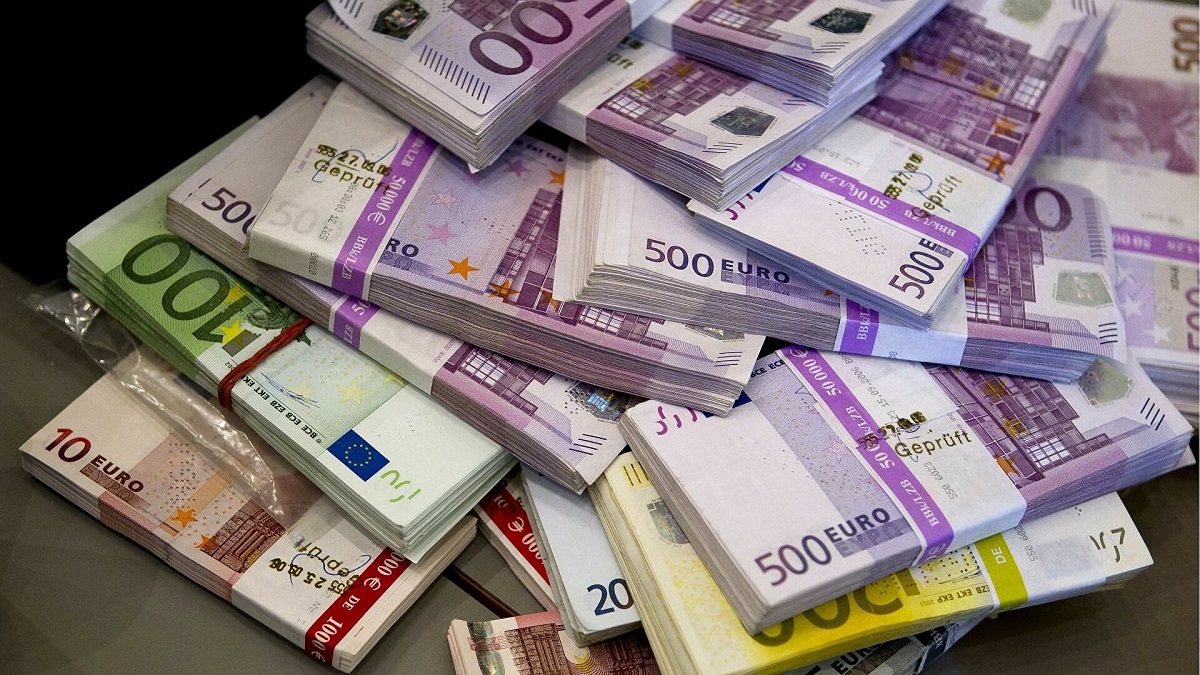
Purchasing and even considering counterfeit money, no matter the motivations or ways, is a domino effect towards legal ramifications and ethical dilemmas. Informing oneself about the subtleties of currency, the signs of counterfeiting, and the potential repercussions can make sure not only individual security but also contribute to a trustworthy monetary environment.
Ultimately, comprehending the characteristics of counterfeit money is necessary in a society that relies so greatly on the stability of its currency. By recognizing the indications and effects, customers and organizations alike can secure themselves against the hazards of counterfeit money.